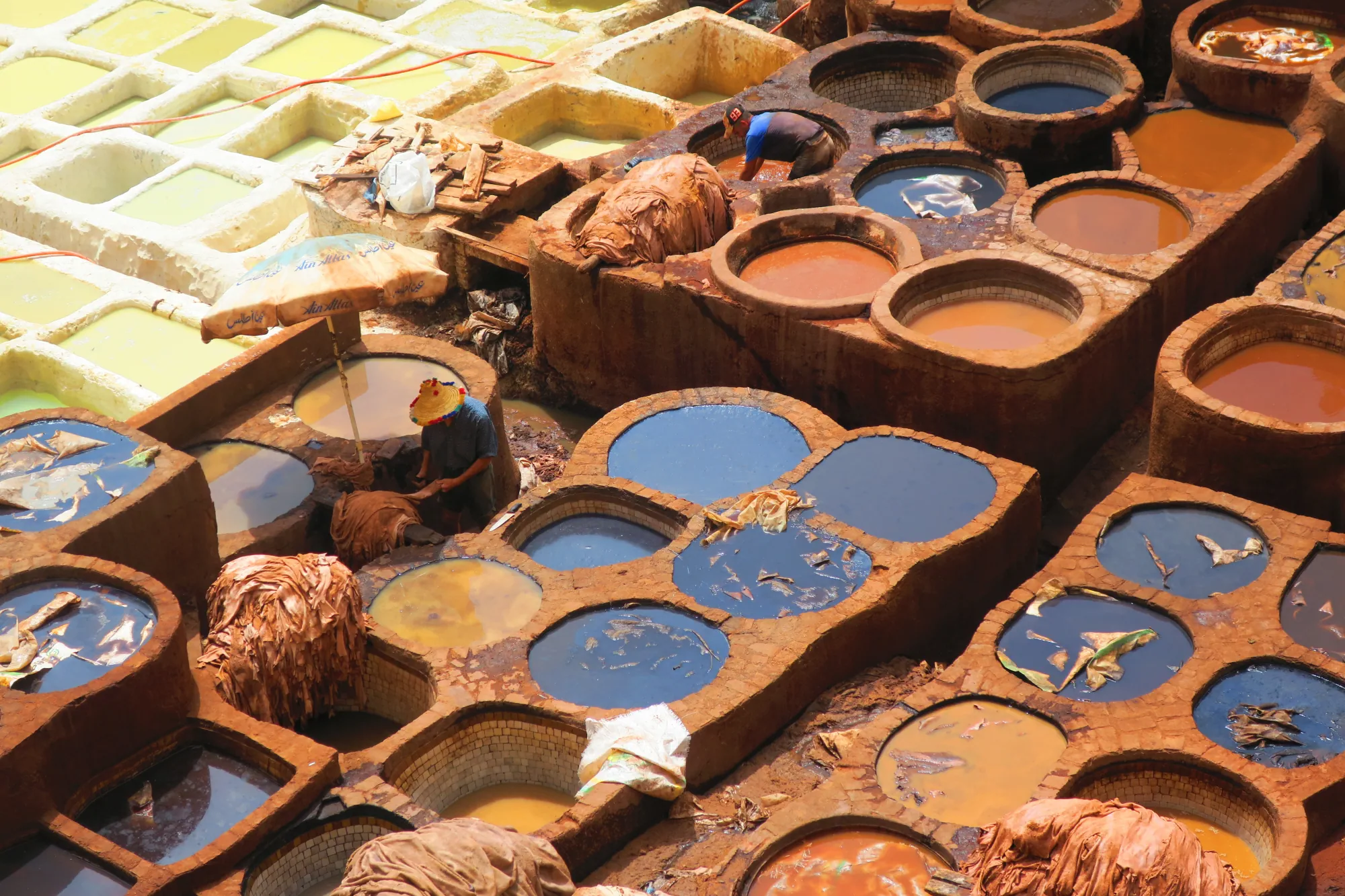
Carlos Morales Díaz’s photograph Luz y color (Light and Color) was awarded first place in Grid Photo Gallery’s 2026 Color contest. Looking down over the centuries-old tanneries of Fez, the image transforms a bustling workspace into a vibrant tapestry of geometric forms, rich pigments, and quiet human activity, where craftsmanship and color come together in striking harmony.
Selected from an international field of submissions, the photograph stood out for its masterful use of perspective, its bold yet balanced palette, and its ability to reveal the beauty hidden within an everyday scene of tradition and labor. In this interview, Carlos speaks with us about discovering the perfect viewpoint, the creative choices behind the image, and his enduring passion for travel photography.
Q: Carlos, congratulations on winning Grid Photo Gallery’s Color contest. To begin, could you tell us a little about yourself and how photography became such an important part of your life?
A: First of all, I would like to say thank you for the recognition of my work. I wish to clarify that I’m just an amateur photographer. When I received the first email this morning, in which I was informed that my photographs had been selected, I felt incredibly happy. You can imagine what it has meant for me that one of my photos turned out to be the winner. Ever since I was a child using my father’s Leica to take photos of everything around me, photography has been an inseparable part of my life. And although professionally I have been a biology and environmental science teacher, photography has always been an inspiring activity in my daily life.
“Ever since I was a child using my father’s Leica to take photos of everything around me, photography has been an inseparable part of my life.”
Q: Light and Color (Luz y color) was photographed in the famous tanneries of Fez. What first attracted you to this remarkable place, and what inspired you to capture it from this perspective?
A: When you are in front of such a famous scene and thousand of times photographed, you are always in between the photographic potential of the record and the possibility to repeat one of the thousand photos almost done, but this is the greatness of photography. To be honest, I was in love with the framing, the light, the shapes and color disposition, and of course, the tanneries workers. Simply, letting yourself go, things sometimes go well.
Q: The image is filled with repeating shapes, textures, and vivid colors. How did you approach the composition to create such a strong visual rhythm?
A: The scene was immense and overwhelming, for that reason I looked for closing the frame with the aim of remarking the composition details at the same time that cutting the elements in all the margins of the picture to afford a sensation of immensity. I took advantage of the diagonal composition, and I was focused on a section of the tannery in which lemon tones powerfully contrasted with the ochres and blues.
Q: Although the scene is famous, your photograph feels fresh and almost painterly. What were you hoping to express beyond simply documenting the location?
A: The composition’s beauty. The game of the repetitive shapes and the aleatory distribution of the colors, together with the piles of leather, the people and the light looked like to me simply beautiful.
Q: The workers appear small within the vast network of dyeing vats, yet they remain essential to the story. What role did the human element play in your vision for the image?
A: I like to stand out the ambient in which people operate realizing their daily activities. For the observer it is something fascinating, but for the characters is the place where they spend most part of their day. It called my attention how the colors of their clothes and parasol, protecting them from the sun, blended perfectly with the surroundings.
Q: You captured the photograph with a Canon PowerShot G9 X. What led you to use this compact camera, and how did it influence your approach while traveling?
A: Although I consider myself a young person — I’m only 62 — my back in recent years doesn’t agree with me. Since I began working with digital photography, I have used reflex cameras with their corresponding lenses, but several years ago I bought this second-hand camera to carry on my trips. It is comfortable, manageable, I can carry it in any circumstances — there are places where you are not allowed to use a professional camera — and it doesn’t create any issues at customs. Although sometimes I miss a particular lens, the photographic result is very positive in general. In fact, all the pictures I presented to the contest were taken with this camera.
Q: Working under bright daylight can be challenging, especially with such a colorful scene. How did you make your exposure and technical decisions to preserve both detail and color?
A: I wanted, above all, good luminosity and sharpness. For this, I used a high shutter speed and an ISO of 125, together with a fairly open aperture. The risk was losing depth of field, but the result was satisfactory.
Q: Travel photography often requires balancing observation with spontaneity. How do you decide when a scene has become more than a record of a place and has turned into a photograph with its own artistic identity?
A: Yes, you are right. In travel photography, controlling what we call “the decisive moment” is basic. I don’t know, I guess that the experience of having done many trips and having seen myself in different and diverse circumstances has been important. There is no reason to deny that the digital format helps because you can discard many photos, and this helps.
Q: What motivated you to enter Grid Photo Gallery’s Color contest, and what does receiving this recognition mean to you?
A: I have been a follower of Grid Photo Gallery for a long time, enjoying the work of other photographers who participate here. Also, I have always liked the contests you propose, but until now I had never taken the step of participating alongside professional photographers. In particular, the treatment of color in photography is something that I have always liked.
As I answered in the first question, I feel absolutely happy for this recognition and the award you have given to my work.
Q: Your work is now reaching viewers from around the world through a virtual exhibition. How do you feel about sharing your photography in an online gallery format?
A: It seems to me a kind of exciting and new experience. I have always considered myself an alternative artist, far away by conviction from social media and dedicated to a more intimate audience. However, this award presents a new way for me to share my work. I hope people like it.
“Everyone should experiment and dare to play with their camera and find their own way.”
Q: Many photographers struggle to use color effectively without overwhelming the composition. What advice would you give to those looking to develop a stronger visual language through color?
A: It is as difficult — or as easy — to work with color as it is with black and white. Each format requires its own codes, and it is really helpful to see many photographs by good artists in galleries, exhibitions or online pages such as Grid Photo Gallery. But what I actually recommend, above all, is that everyone experiment and dare to play with their camera and find their own way.
Q: Finally, what destinations or photographic projects are you most excited to explore next, and what continues to inspire you every time you travel with a camera?
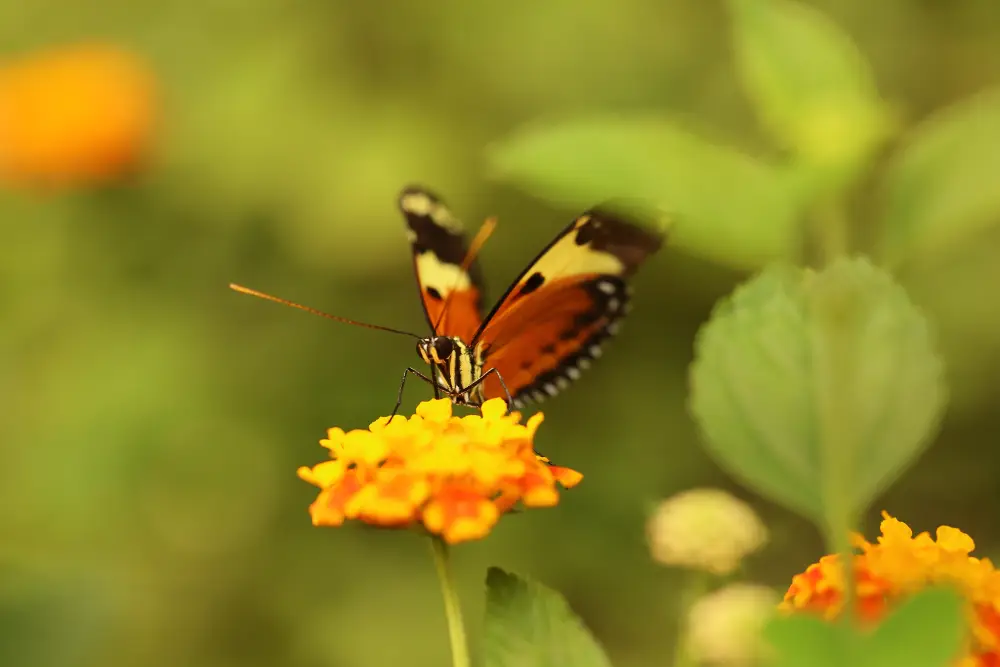
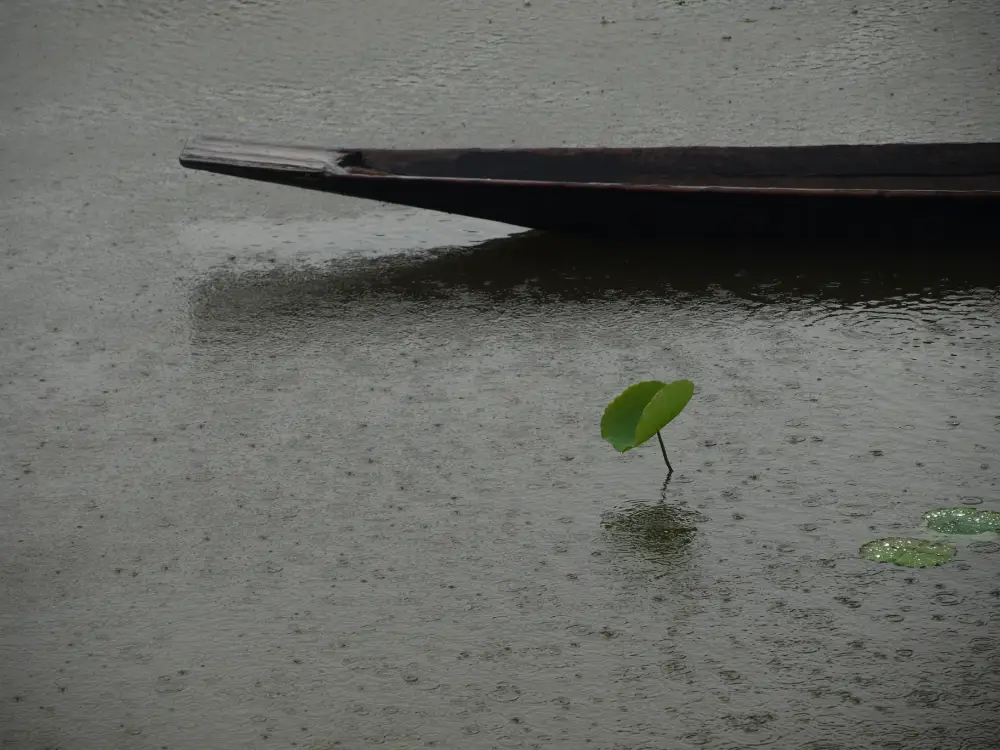
A: My work is very eclectic. In addition to travel photography, right now I’m focused on a macro nature photography project — I included some pictures from it. And, of course, my most immediate task is the preparation for the next solar eclipse on August 12.
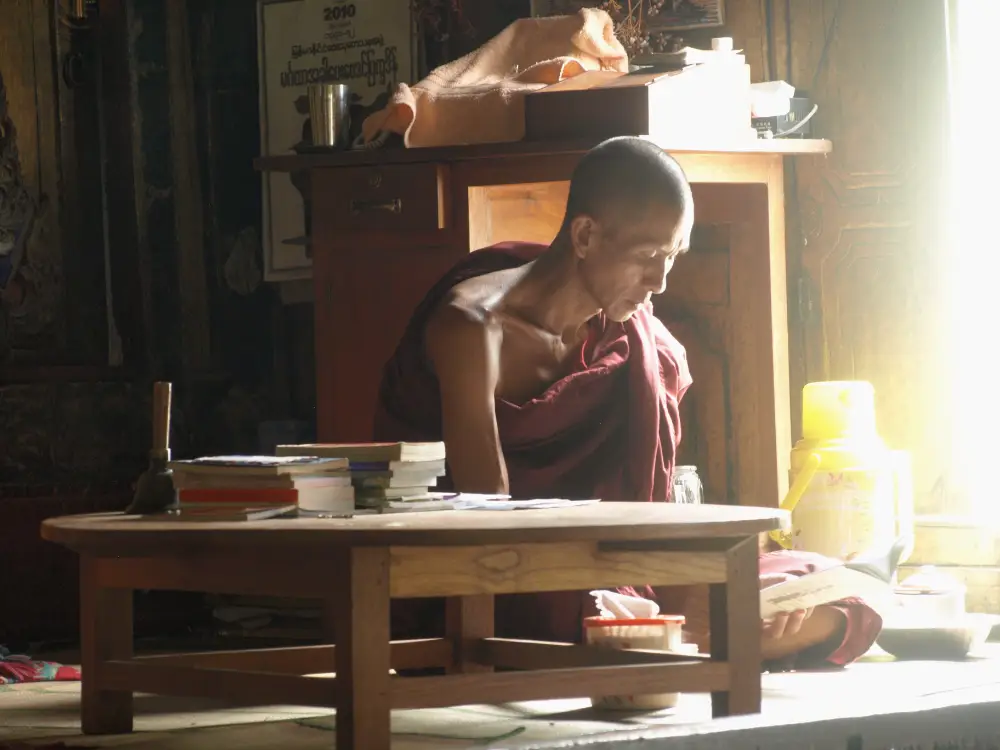
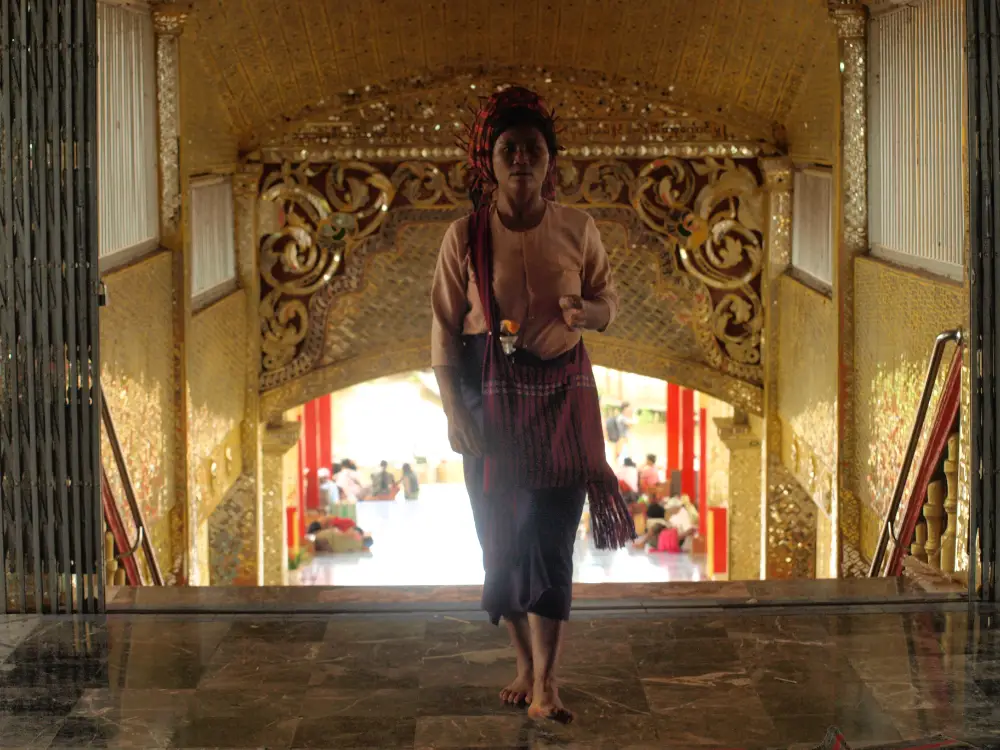
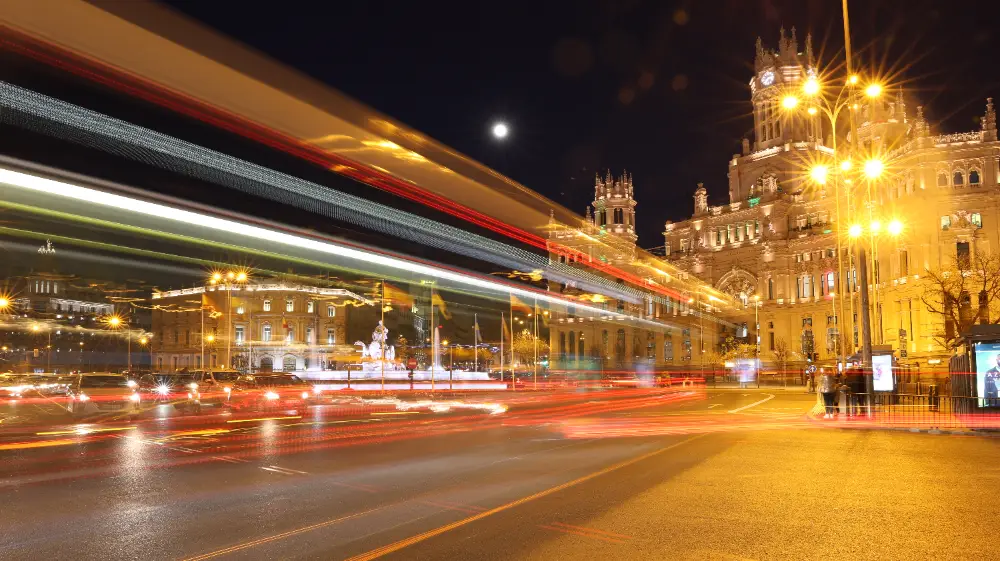
Some photographs by Carlos Morales Díaz

Carlos Morales Díaz 4 Carlos Morales Díaz 3 Carlos Morales Díaz 2 Carlos Morales Díaz 1