
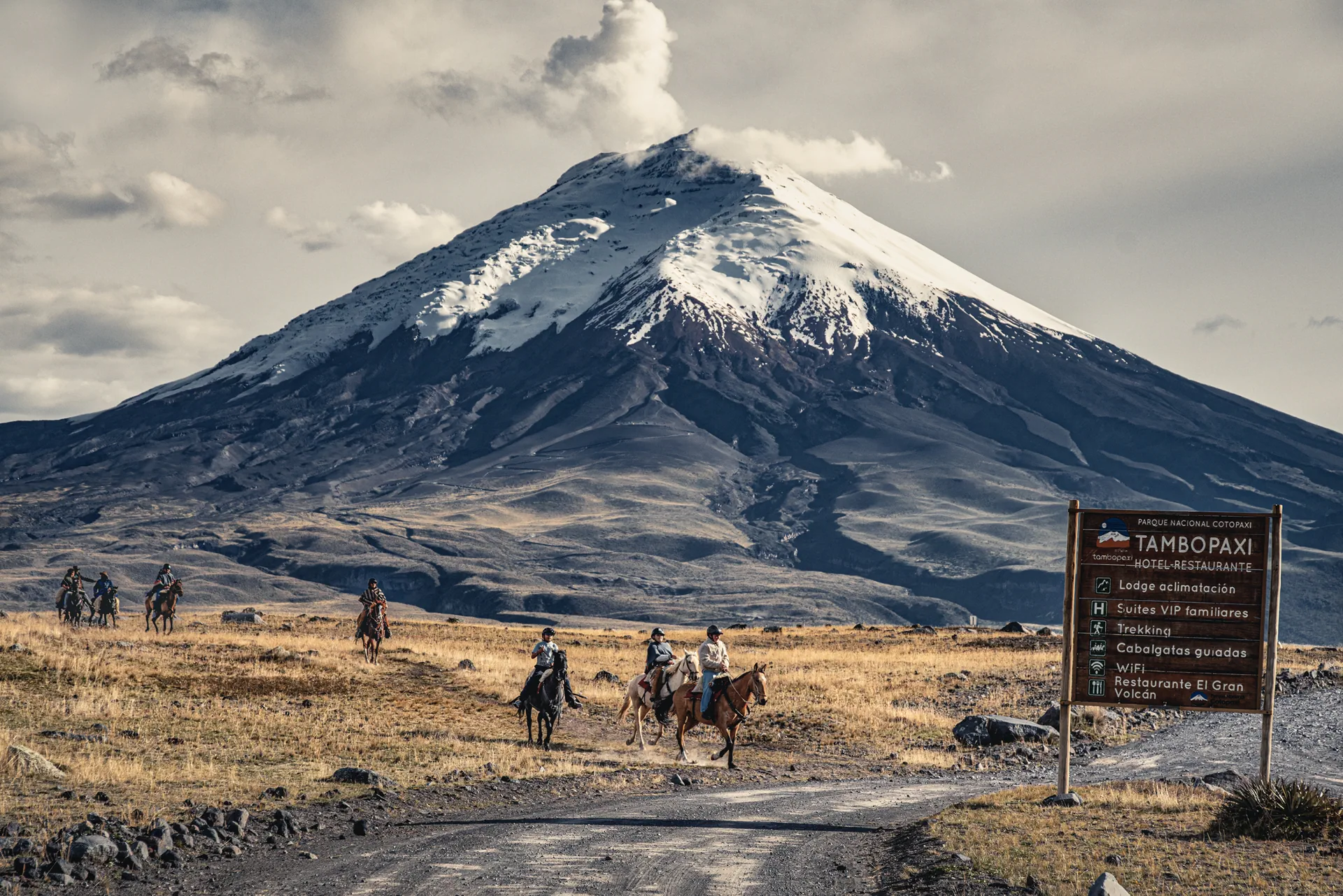
Grid Photo Gallery presents “Travel: Around the World 2026,” a virtual exhibition that explores photography as a way of discovering, experiencing, and connecting with places across the globe. Bringing together photographers from diverse backgrounds, this curated collection offers a visual journey through landscapes, cities, cultures, and everyday environments, revealing the countless ways in which a sense of place can be captured through the lens. From remote destinations and vast natural scenery to bustling streets, quiet corners, and fleeting encounters, each image invites viewers to experience the world from a different perspective. Beyond the beauty of destinations, the exhibition celebrates the details, rhythms, and human stories that give each location its distinctive character. We invite you to explore this online gallery as a journey without borders, where every photograph becomes a window onto somewhere else, awakening curiosity and offering new ways to see the world around us.
Winning images
Serena Perez
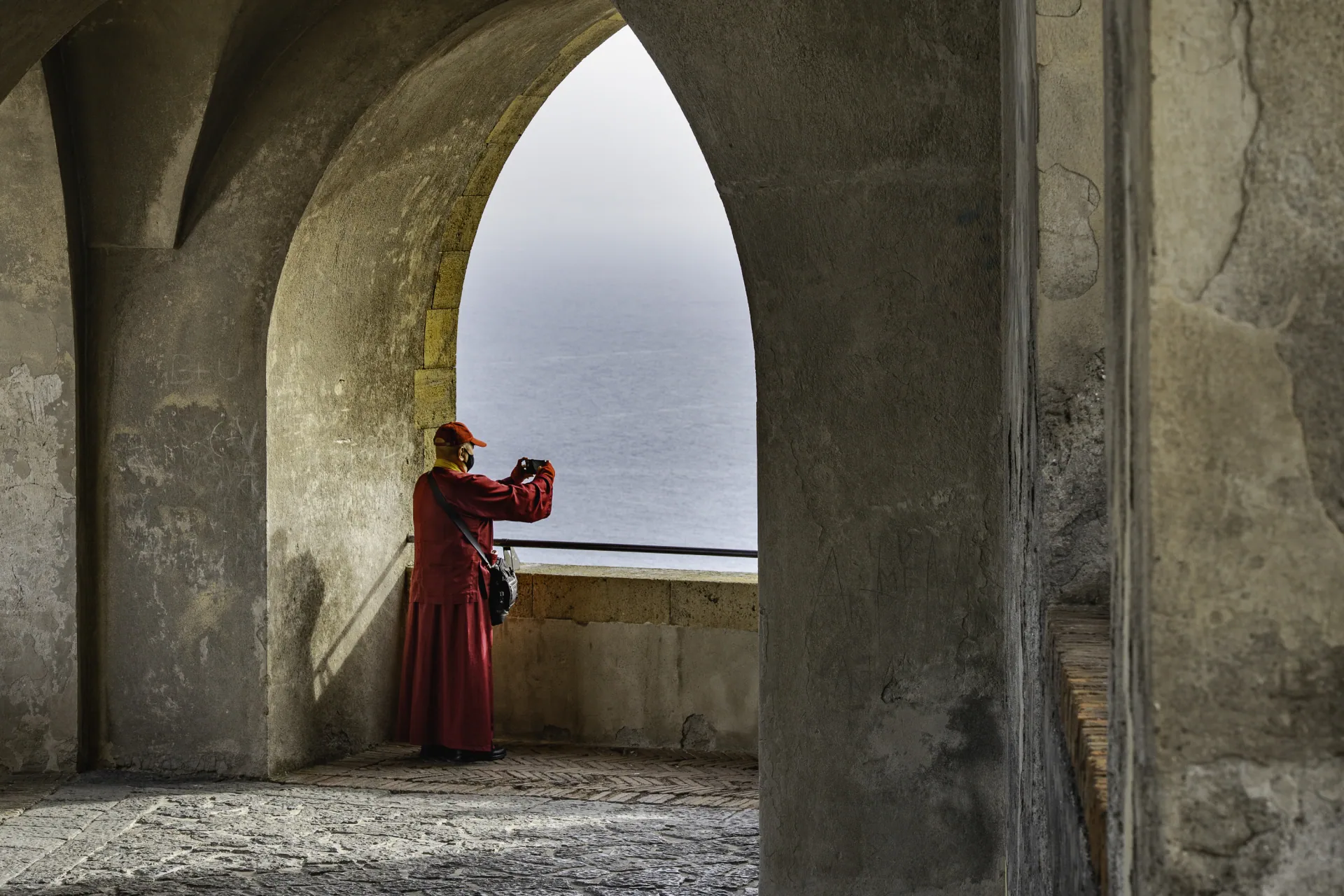
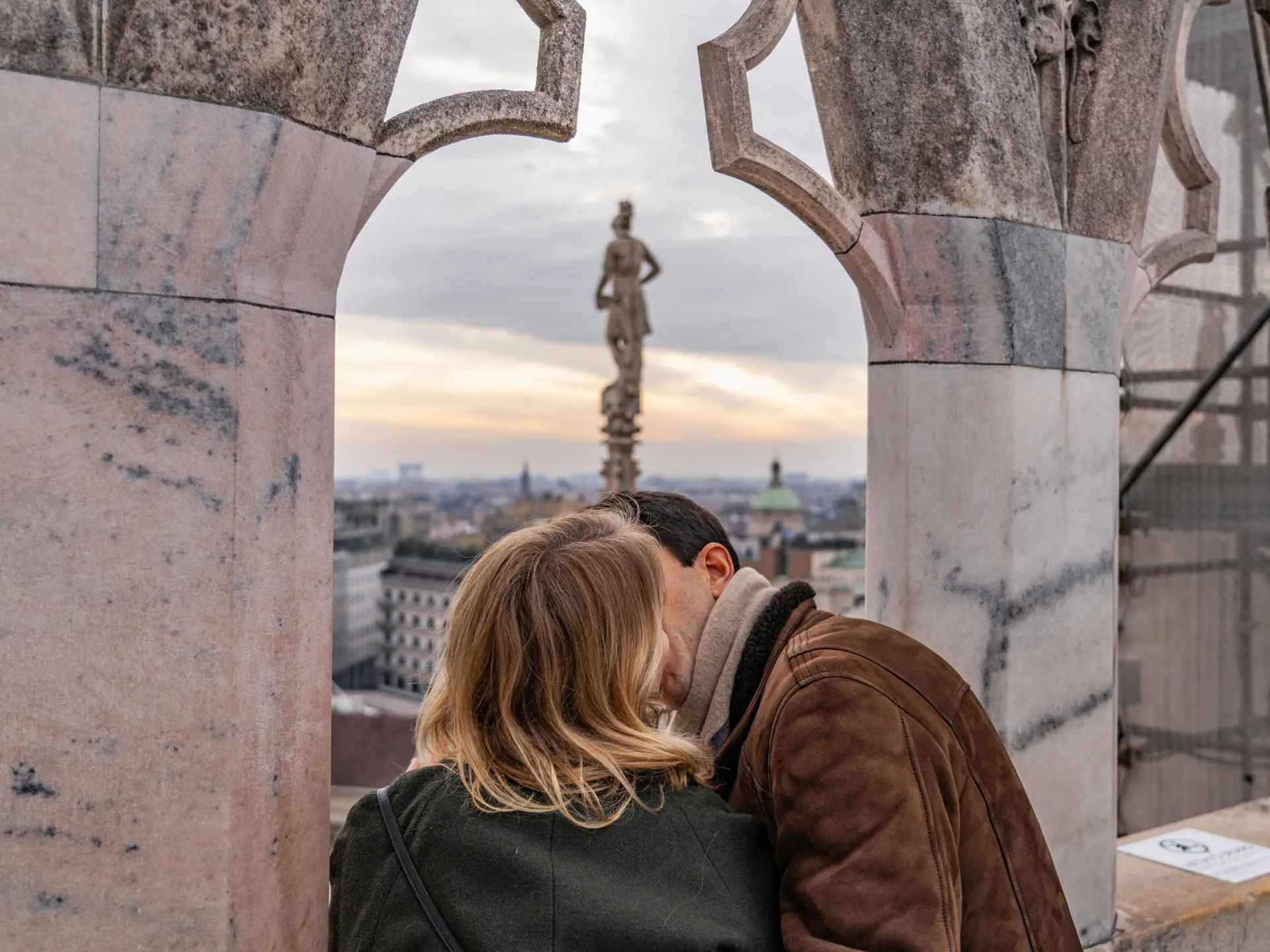
The traveling monk
A buddhist monk takes a picture from a tower at Castel Sant’Elmo, Naples.
Thomas Andy Branson
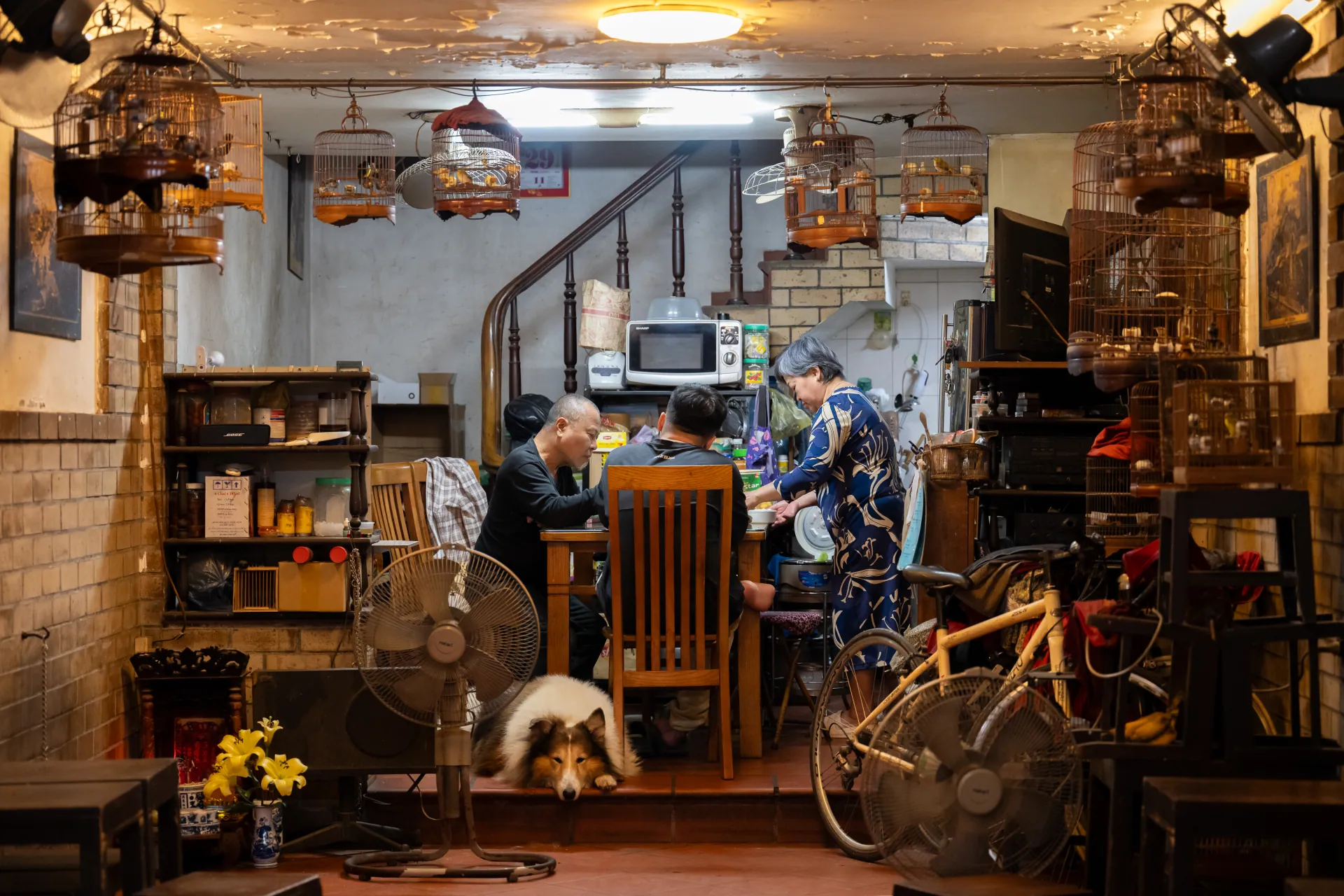
Life Behind the Front Door
Behind an unassuming entrance in Hanoi, an ordinary family moment unfolds in a space where living, eating and everyday routines occupy the same intimate surroundings. Three people gather around a small table, while bicycles, household objects and birdcages fill almost every available corner. Nothing appears arranged for the camera; the scene feels like a brief glimpse into life as it is actually lived. Hanoi is a city where the boundaries between home, work and street life have traditionally been fluid. In the Old Quarter, narrow “tube houses” developed in response to limited urban space, with very narrow façades extending deep behind the street. This distinctive architecture has helped create interiors where different generations, activities and functions often coexist within remarkably compact spaces. The photograph is shaped by this sense of density and familiarity. Birdcages hang above the room, bicycles rest beside the dining area, and everyday objects accumulate around the family without appearing out of place. Together they create a visual portrait of Hanoi that exists beyond its famous streets and landmarks—a quieter, more intimate city revealed through the doorway of an ordinary home.
Lauren McCabe
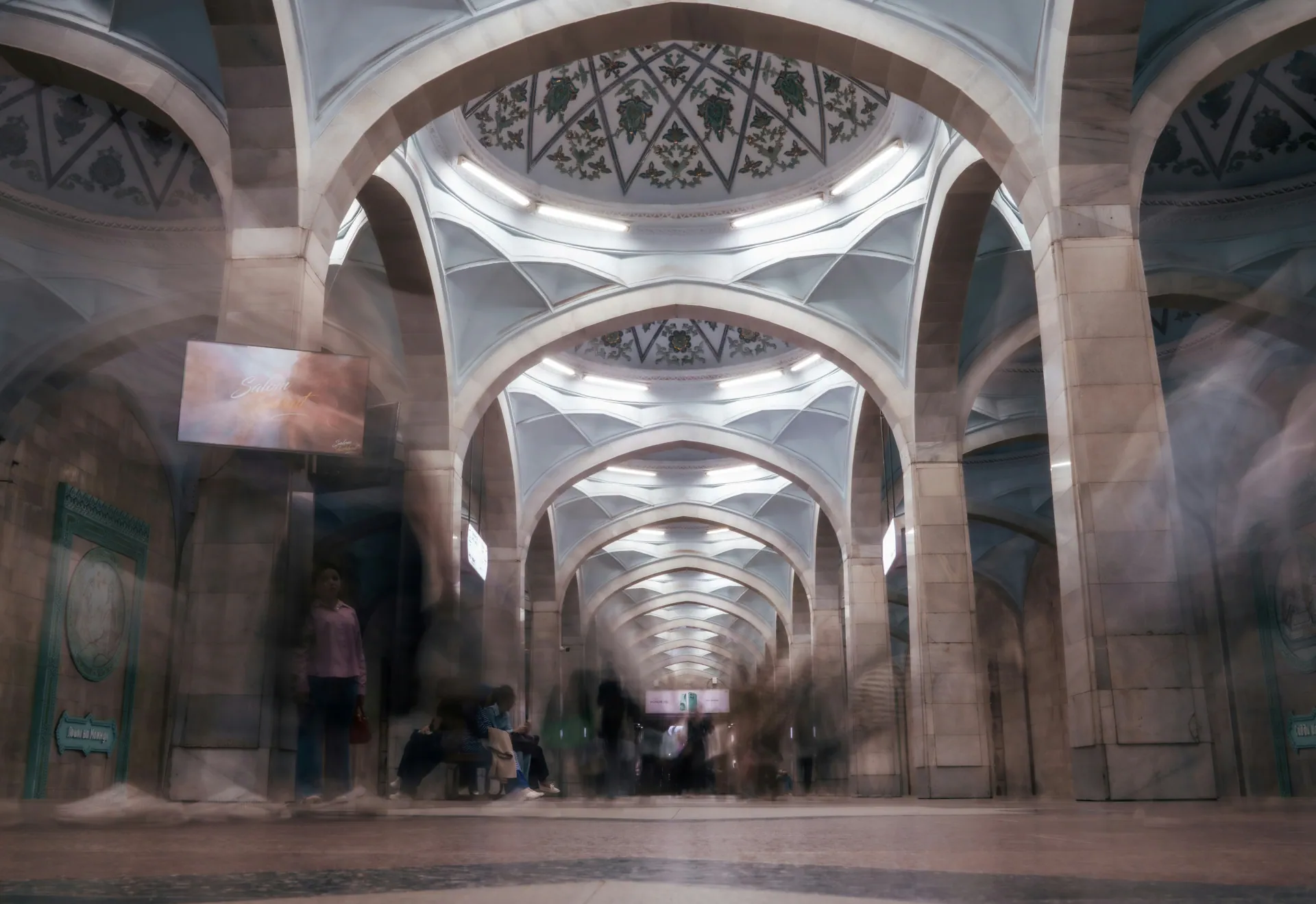
Tashkent Metro
Metro station in Tashkent, Uzbekistan. Long exposure and shot from the floor.
Iaroslav Baklan
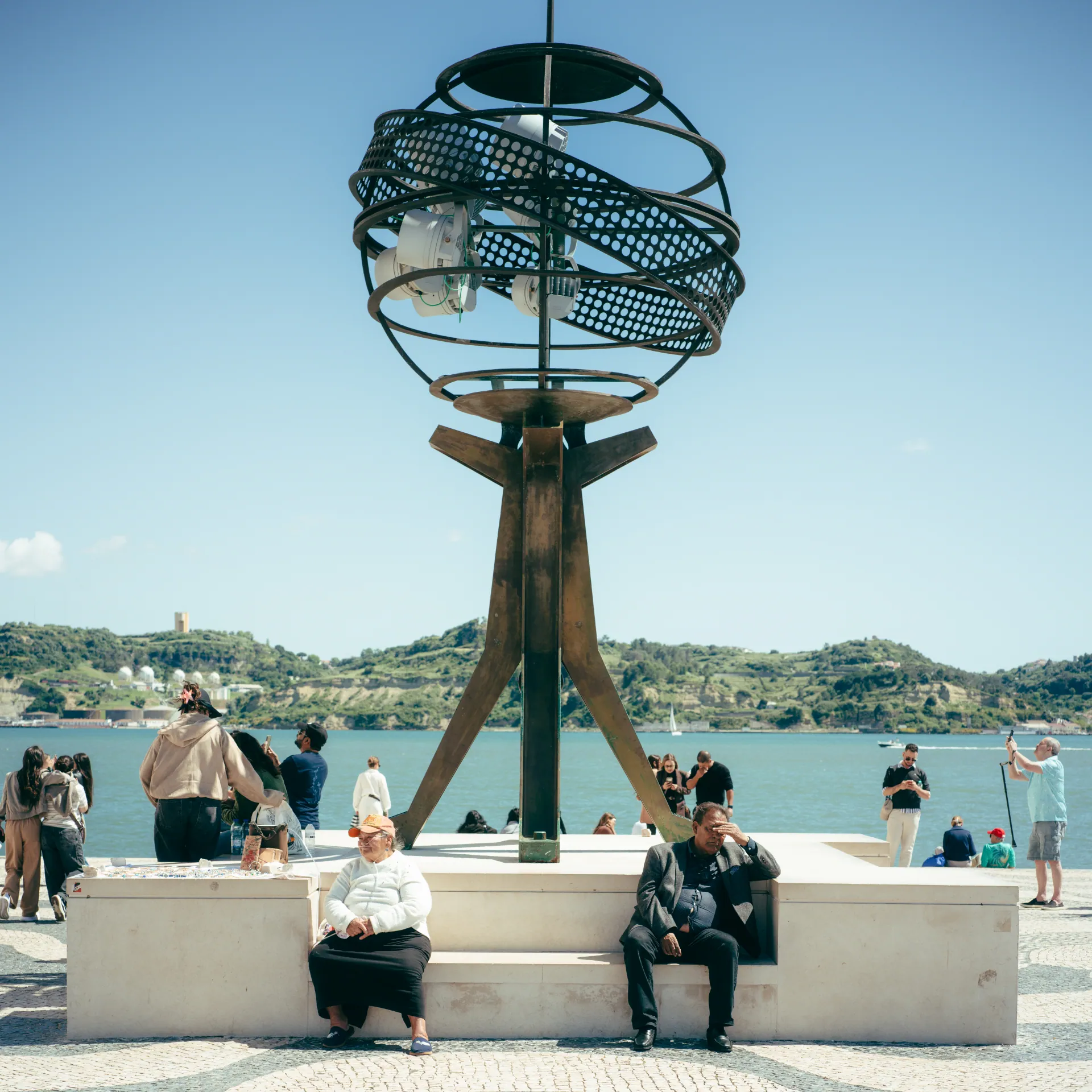
Lisabon Streets
Serena Perez
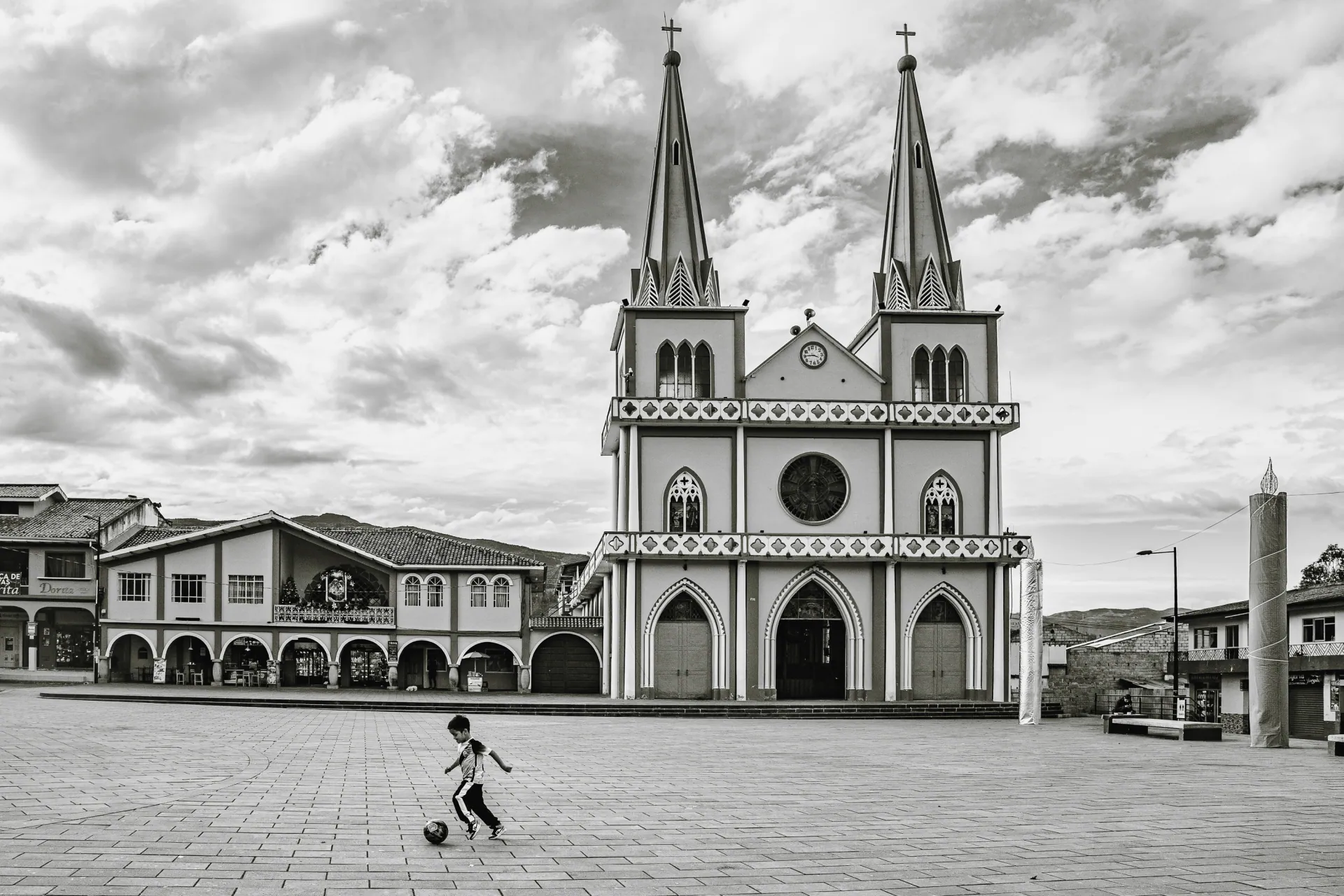
The beautiful game
A young child practices his dribbling at the main plaza in Chordeleg, Ecuador.
M. Sean Dingle
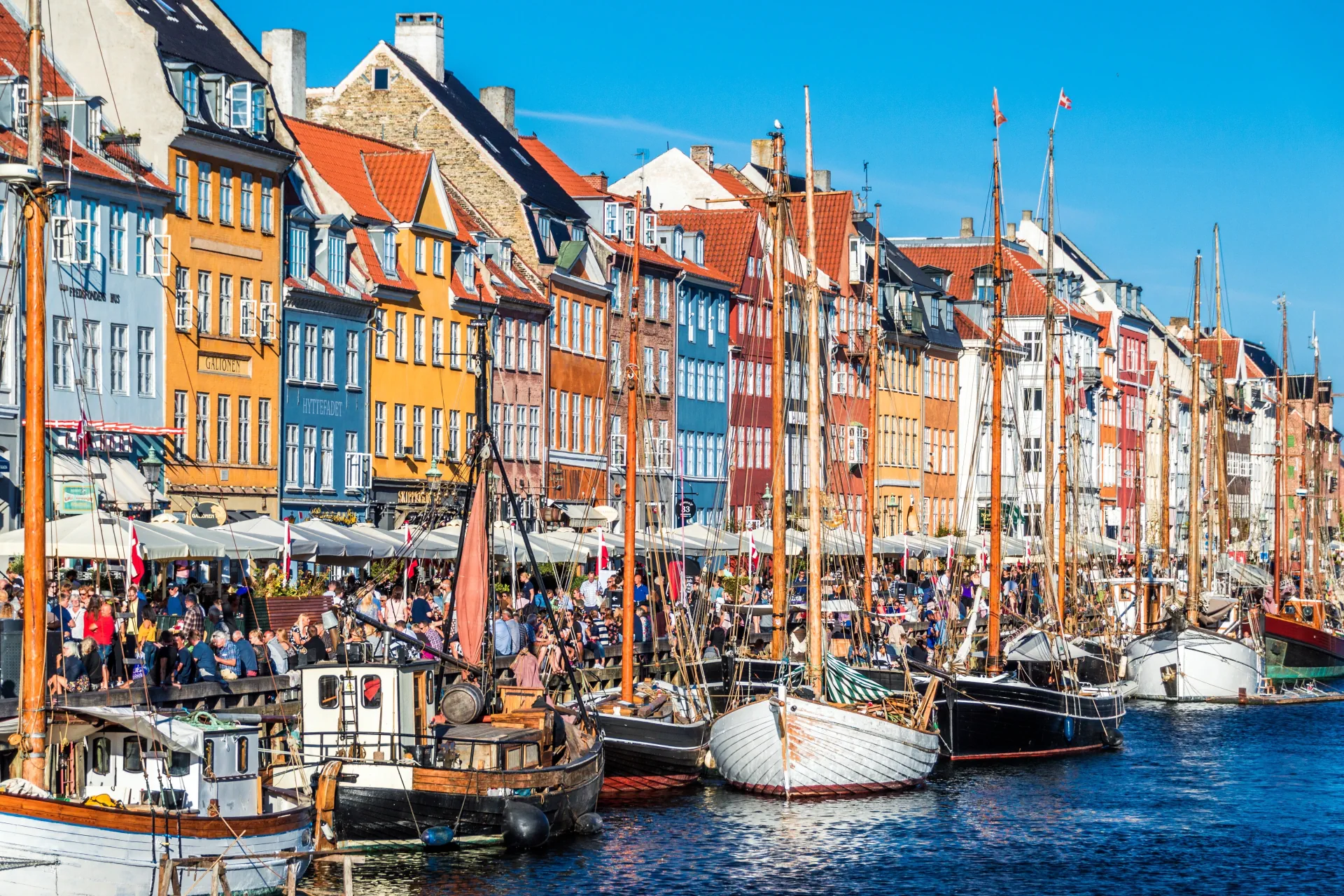
Nyhavn
Nyhavn, Copenhagen. The row of colorful houses along the canal, wooden boats tied up at the quay, and the tables along the water full of people on a clear blue day.
Thomas Andy Branson
Sorting the Harvest
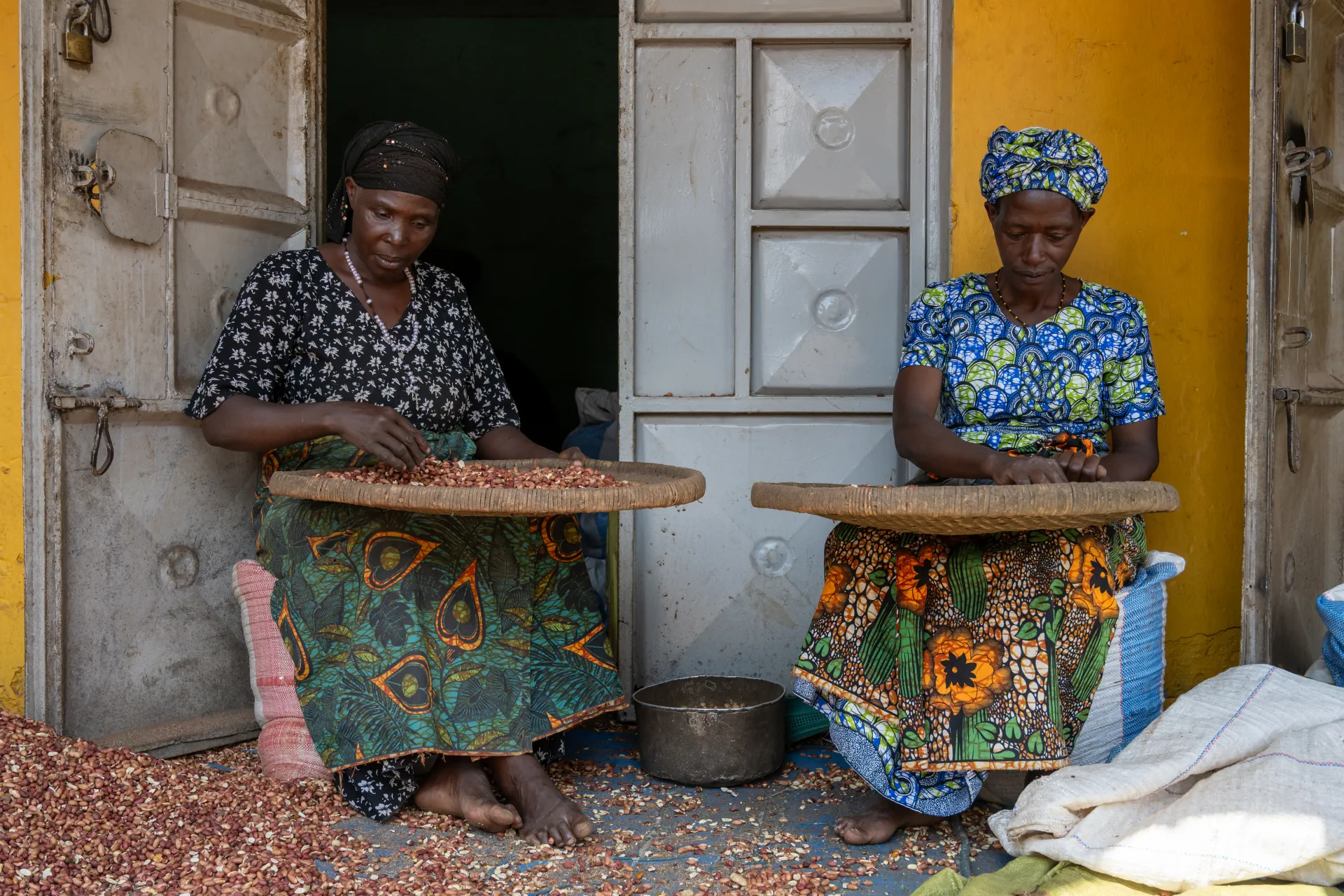
Framed by a weathered doorway and a wall of vivid ochre, two women sit side by side, carefully sorting groundnuts by hand. Their woven trays rest across their laps, while the floor around them is scattered with thousands of individual nuts. The patterned fabrics of their clothing add another layer of colour and rhythm to the scene, contrasting with the worn metal doors and the deep shadow of the interior behind them. Groundnuts, also known as peanuts, are an important food and cash crop in Uganda and are widely cultivated by smallholder farmers. They are valued not only as a source of food but also for their protein and oil, and post-harvest handling—including sorting, drying and storage—is an important part of the production process. Here, the agricultural process becomes an intimate portrait of everyday work. The repetitive task of separating and preparing the groundnuts is transformed by the symmetry of the two figures, their woven trays and the bold colours surrounding them. Nothing has been staged; the photograph finds its strength in the simple precision of hands at work. In Kisoro, this ordinary moment becomes a window into the human scale of agriculture—where food, labour and daily life meet directly at the threshold of home.
Lauren McCabe
Havana Blues
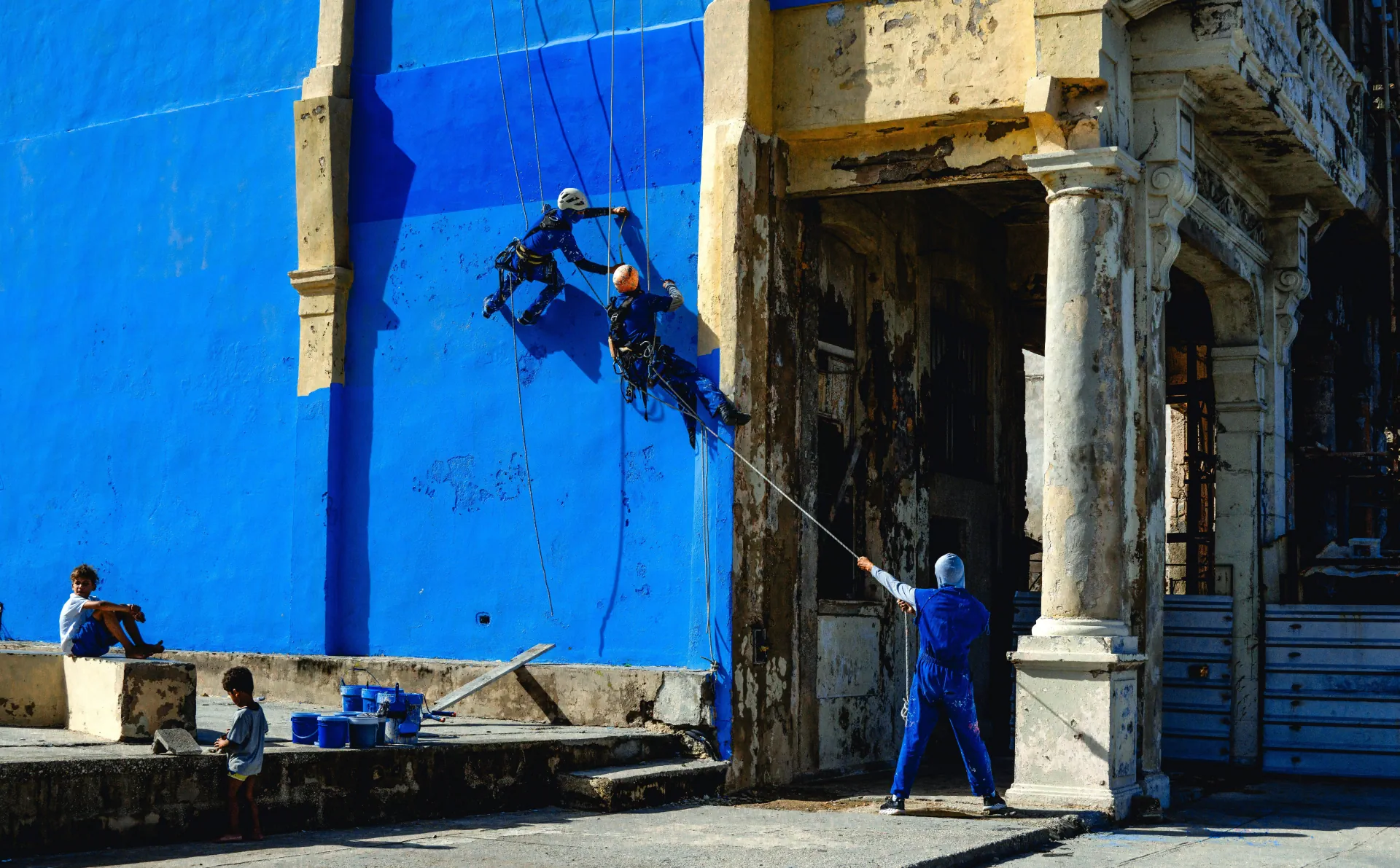
During the 2024 Havana Bienale, I passed by these guys preparing a blue canvas for a new instalation.
Iaroslav Baklan
Lisabon Streets 2
Giulia Marrapodi
Il silenzio delle dune
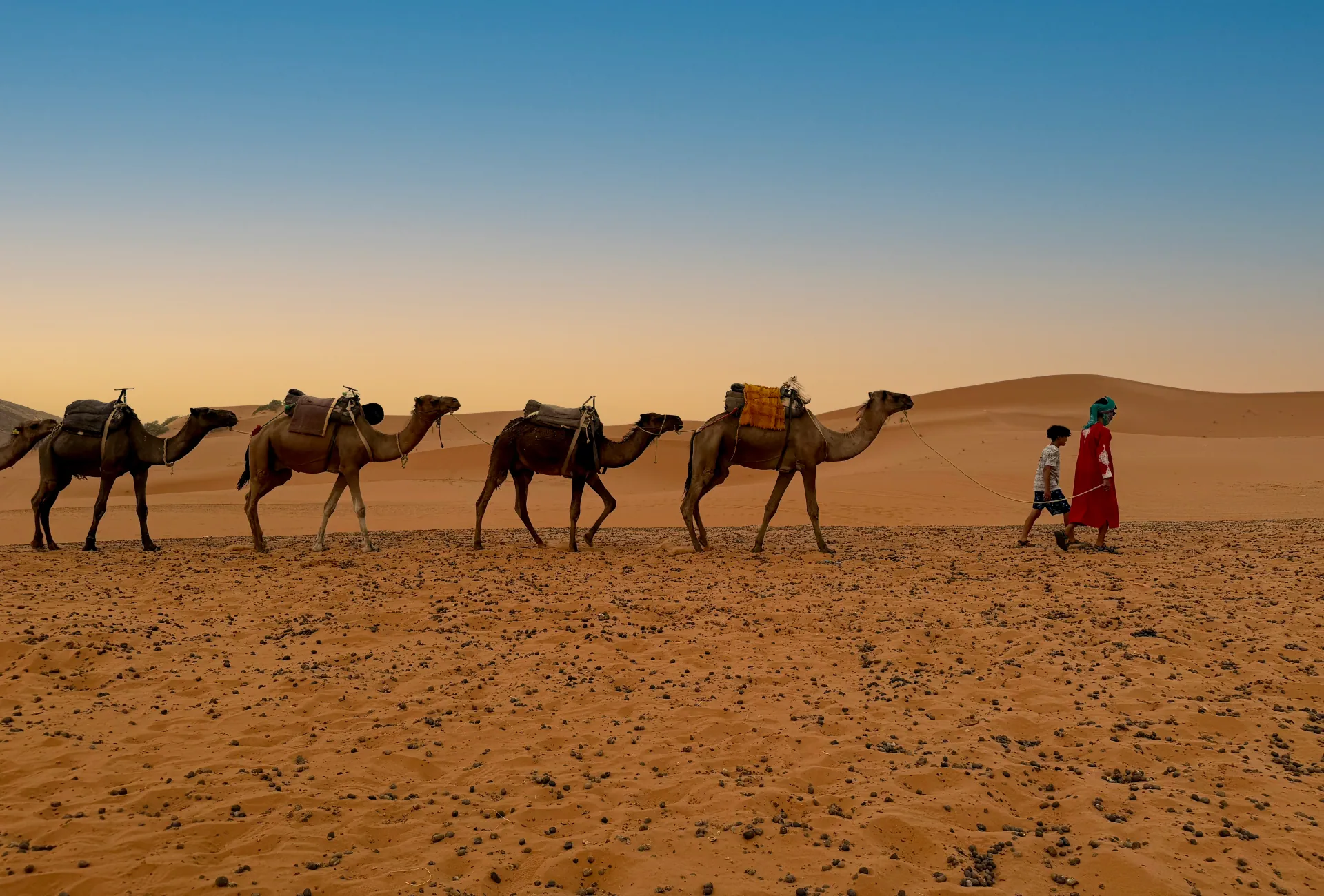
Alle prime luci dell’alba, una carovana attraversa lentamente il deserto. Nel silenzio delle dune, uomini e animali avanzano lasciando sulla sabbia tracce destinate a scomparire. Il cielo si accende lentamente e il paesaggio sembra sospeso nel tempo: per un istante esistono soltanto il cammino, la sabbia e l’orizzonte. Un viaggio essenziale, in cui la vastità del deserto racconta il legame tra l’uomo, la natura e il tempo.
Serena Perez
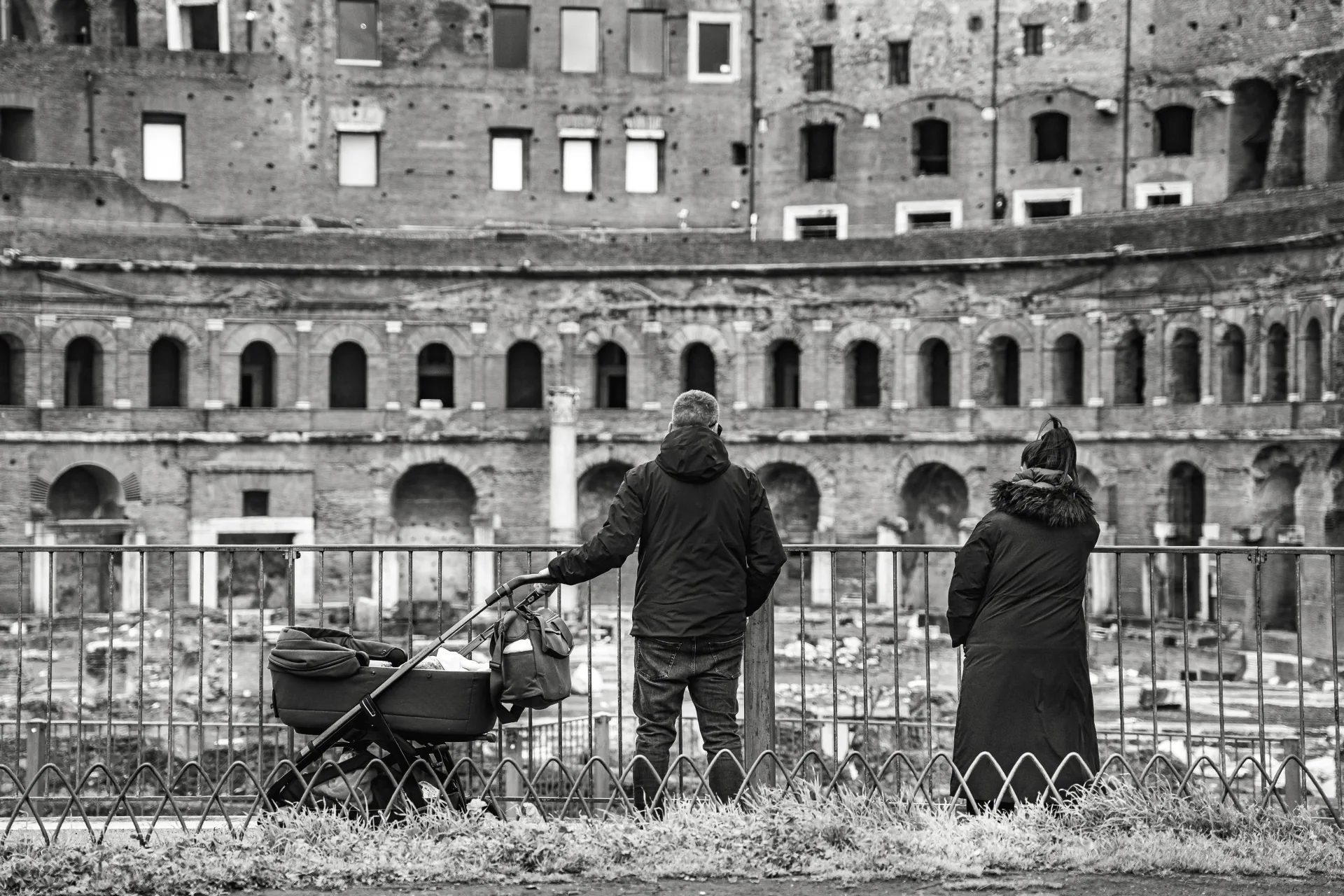
Looking at the past with the future in tow
A young family stands looking at the ruins at Via dei Fori Imperiali in Rome.
M. Sean Dingle
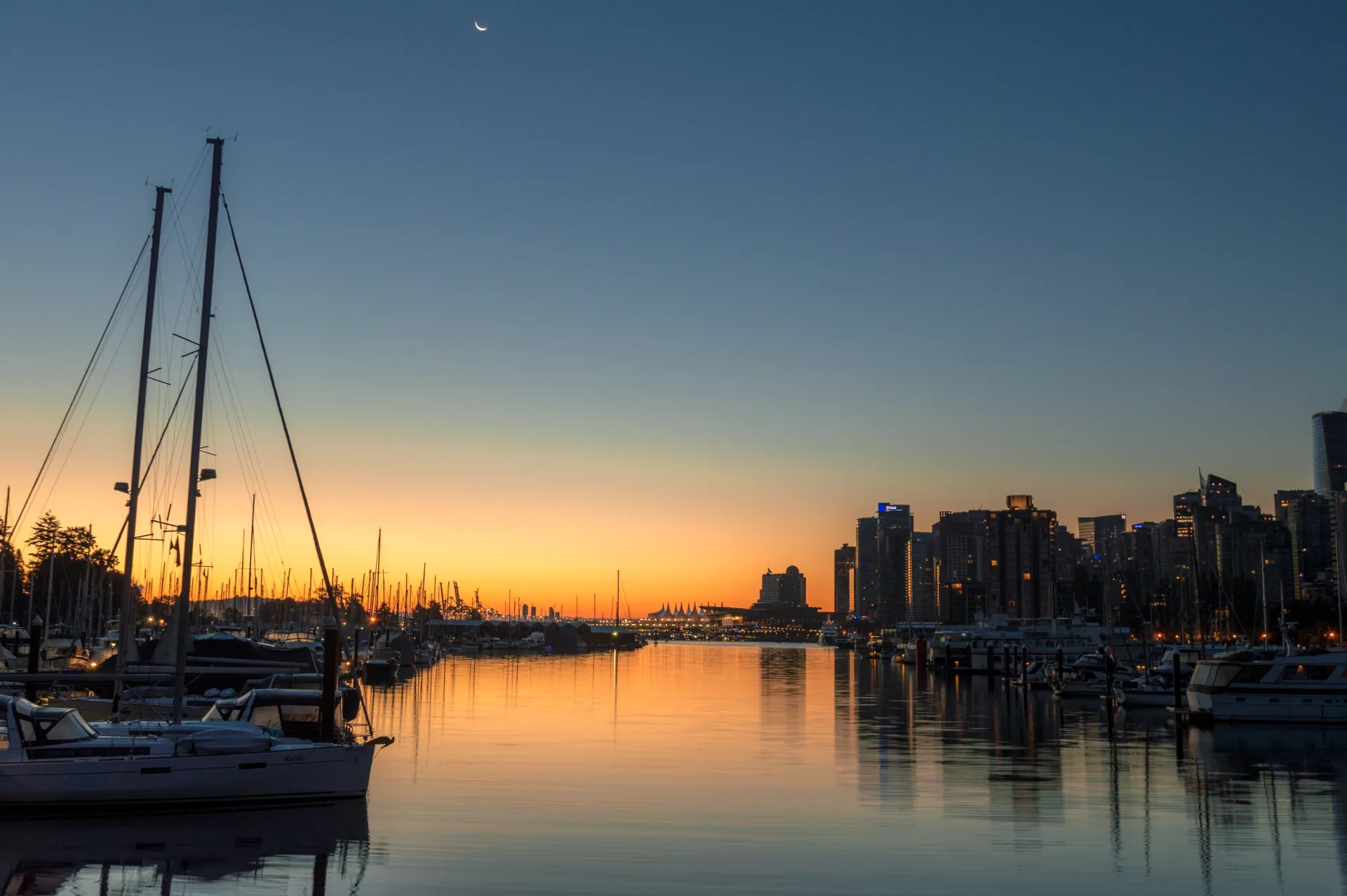
Vancouver Sunrise
Sailboat masts stand in the marina as the light comes up orange along the horizon. The skyline sits dark against it, and the glow carries across the water.
Thomas Andy Branson
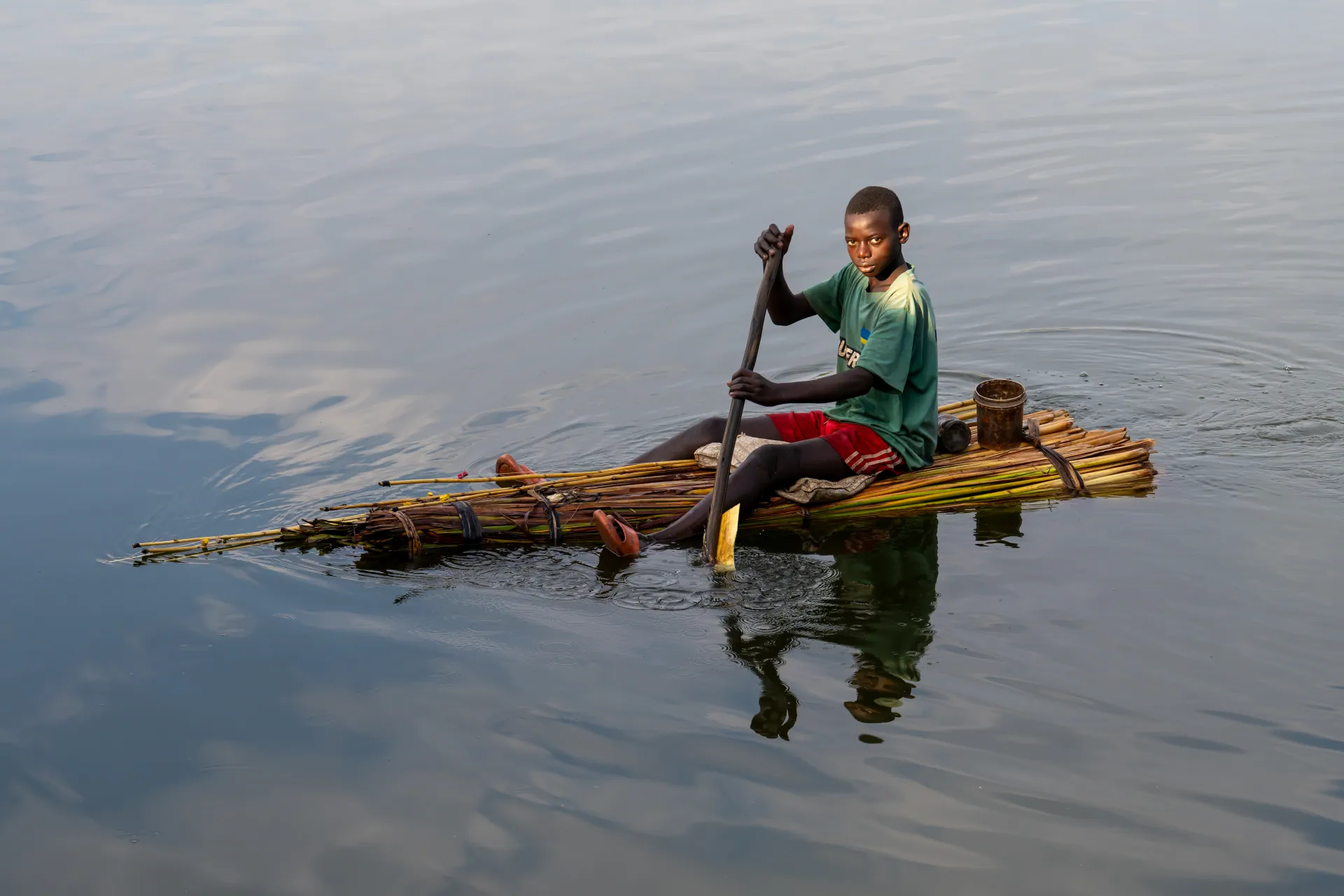
A Raft of Reeds
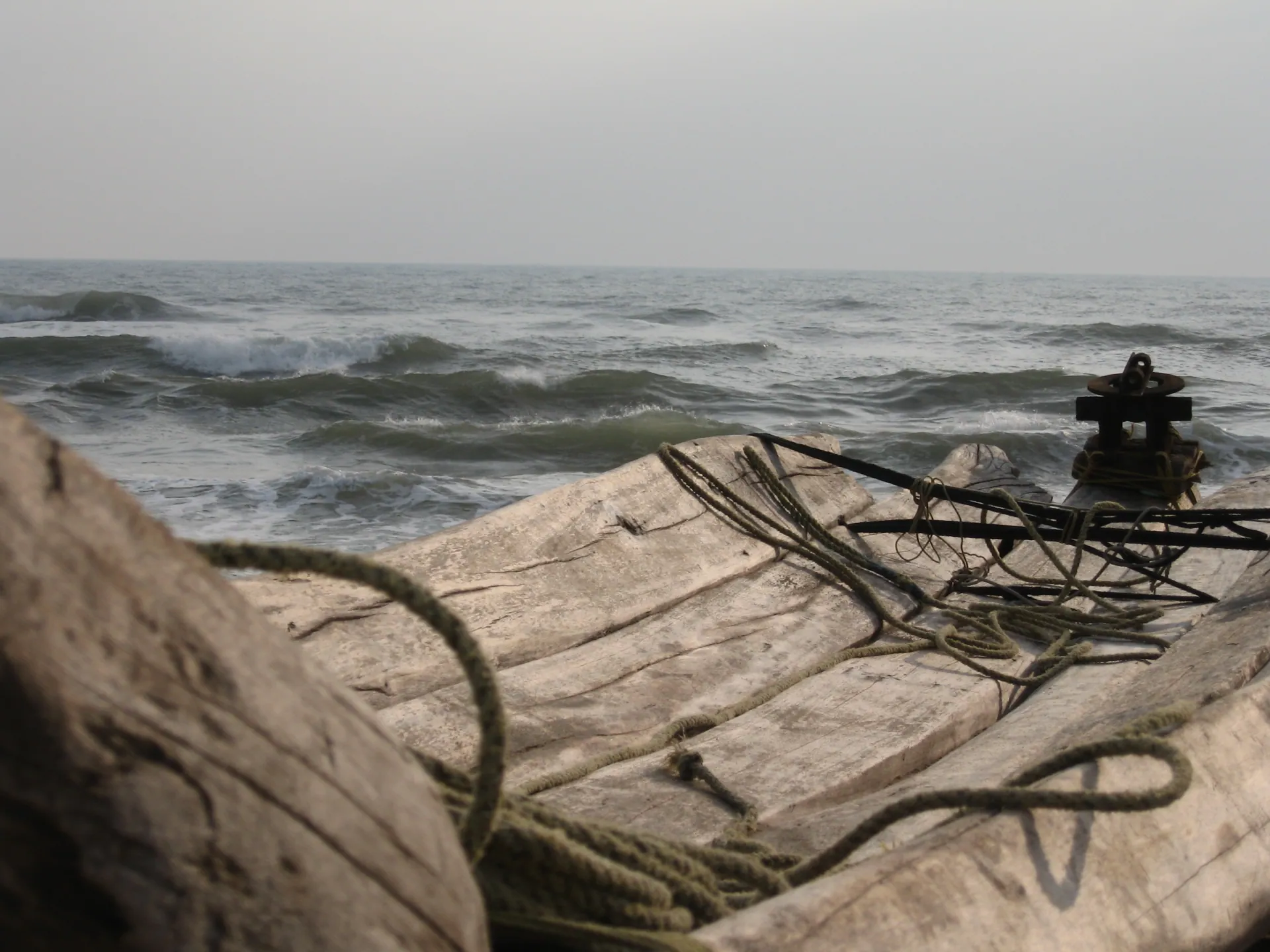
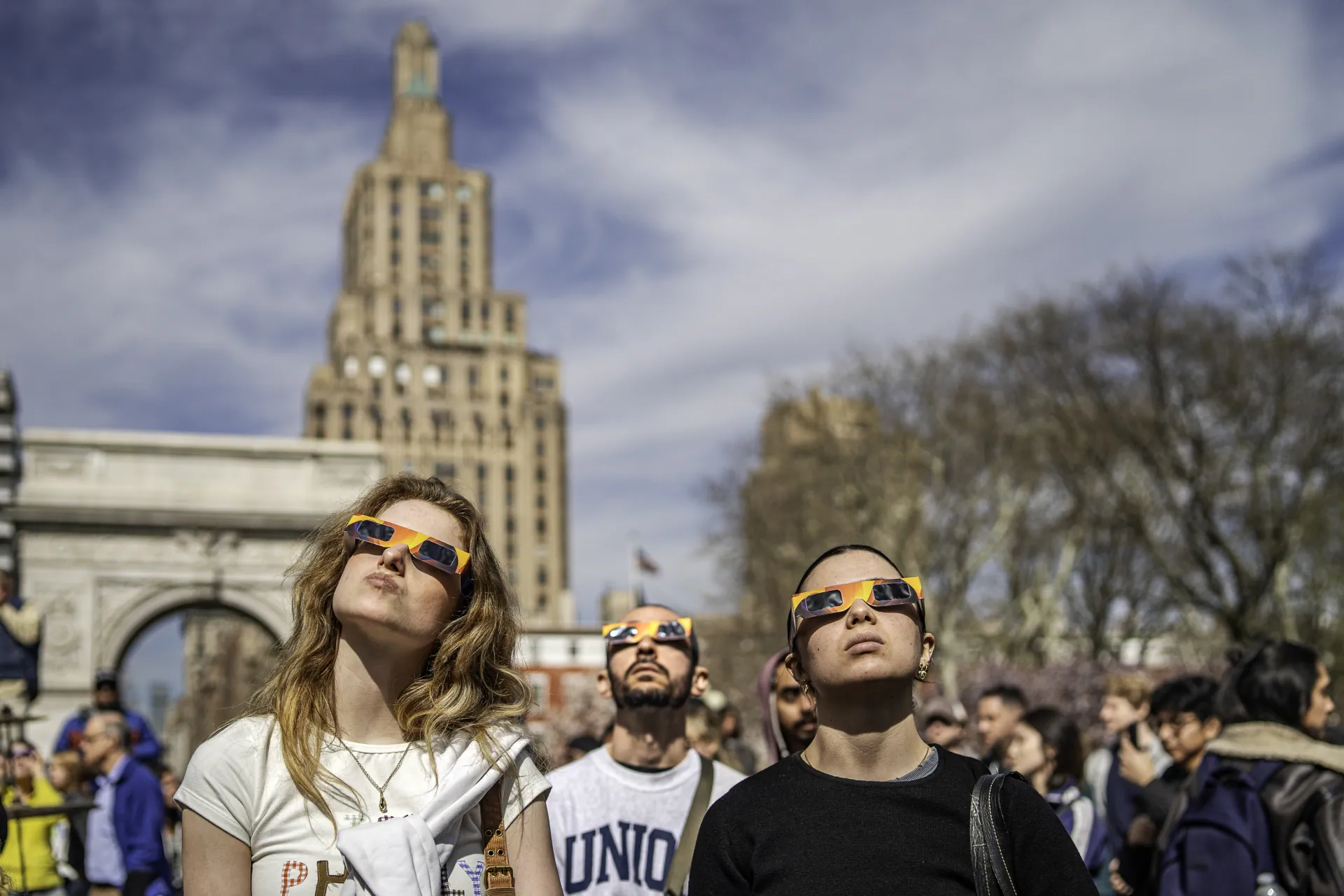
Alone on the calm waters of Lake Muhazi, a young boy guides a simple raft made from bundles of reeds, using a wooden paddle to move across the lake. The improvised craft sits remarkably low in the water, its long stems extending beyond the frame like the fragile structure of a floating bridge. His direct gaze brings an unexpected sense of presence to an otherwise quiet scene, while the reflection beneath him almost doubles the figure and the raft. Lake Muhazi, in eastern Rwanda, is one of the country’s recognised fishing and lakeside destinations, where life and recreation are closely connected to the water. Fishing and boating remain part of the human landscape around the lake, placing small craft and the people who use them within an environment shaped by water. Yet this photograph is not simply about a lake or a boat. The contrast between the boy’s small figure and the immense expanse of water gives the image its quiet strength. The raft appears both fragile and perfectly purposeful, carrying him across a landscape where water becomes a means of movement, work and everyday life. In the stillness of the scene, the boy’s steady gaze transforms a simple passage across Lake Muhazi into a compelling portrait of human resourcefulness and life lived in close relationship with the natural environment.

M. Sean Dingle
Afternoon Commute
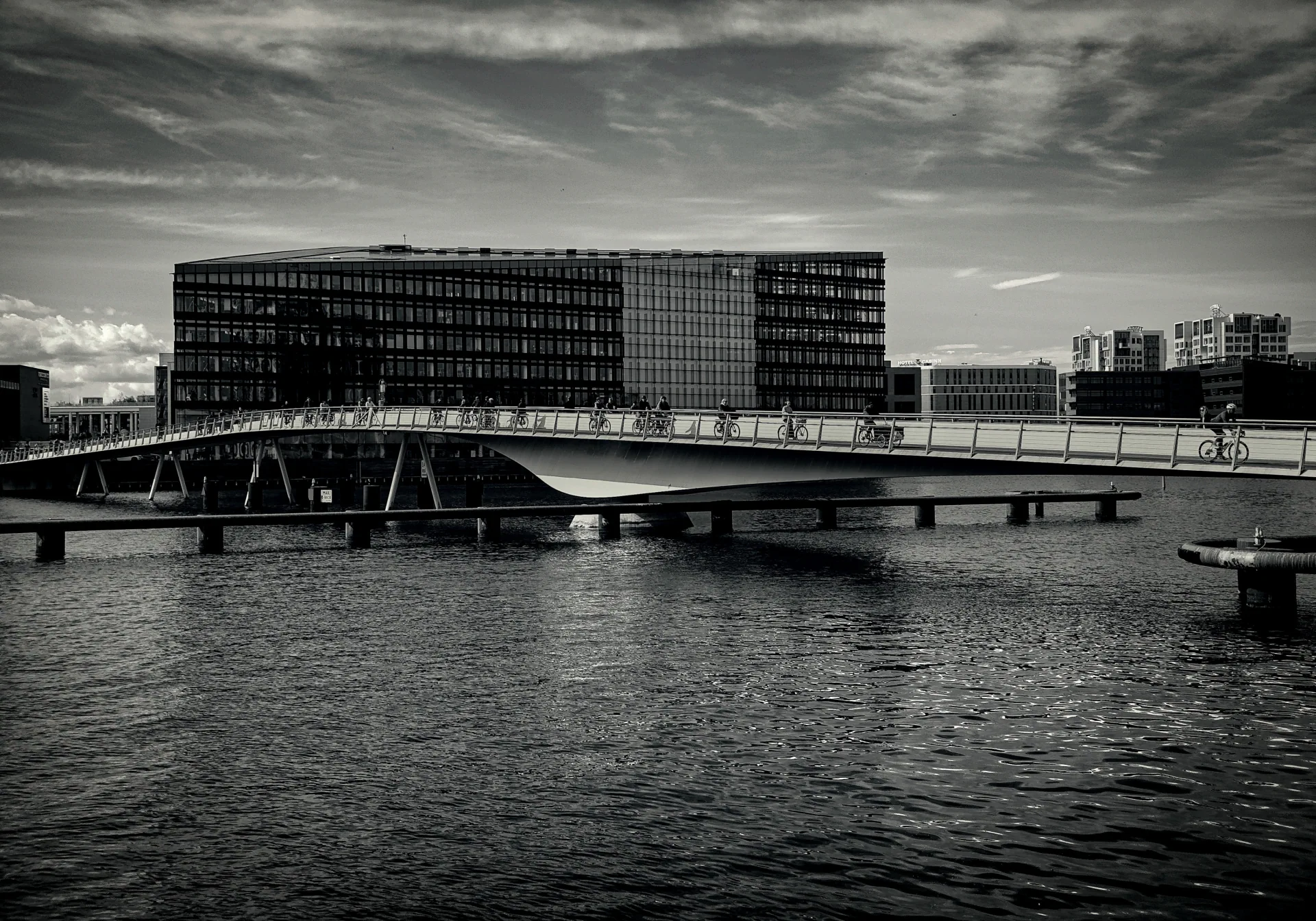
The rhythm of daily life in Copenhagen — captured in a single, timeless frame. Rush hour on the Bryggebroen bridge. Cyclists moving in both directions, the glass office building reflected in the water behind them, the sky doing exactly what Copenhagen skies do. A city that runs on bicycles — this is what that looks like.
Thomas Andy Branson
The Work of Leather
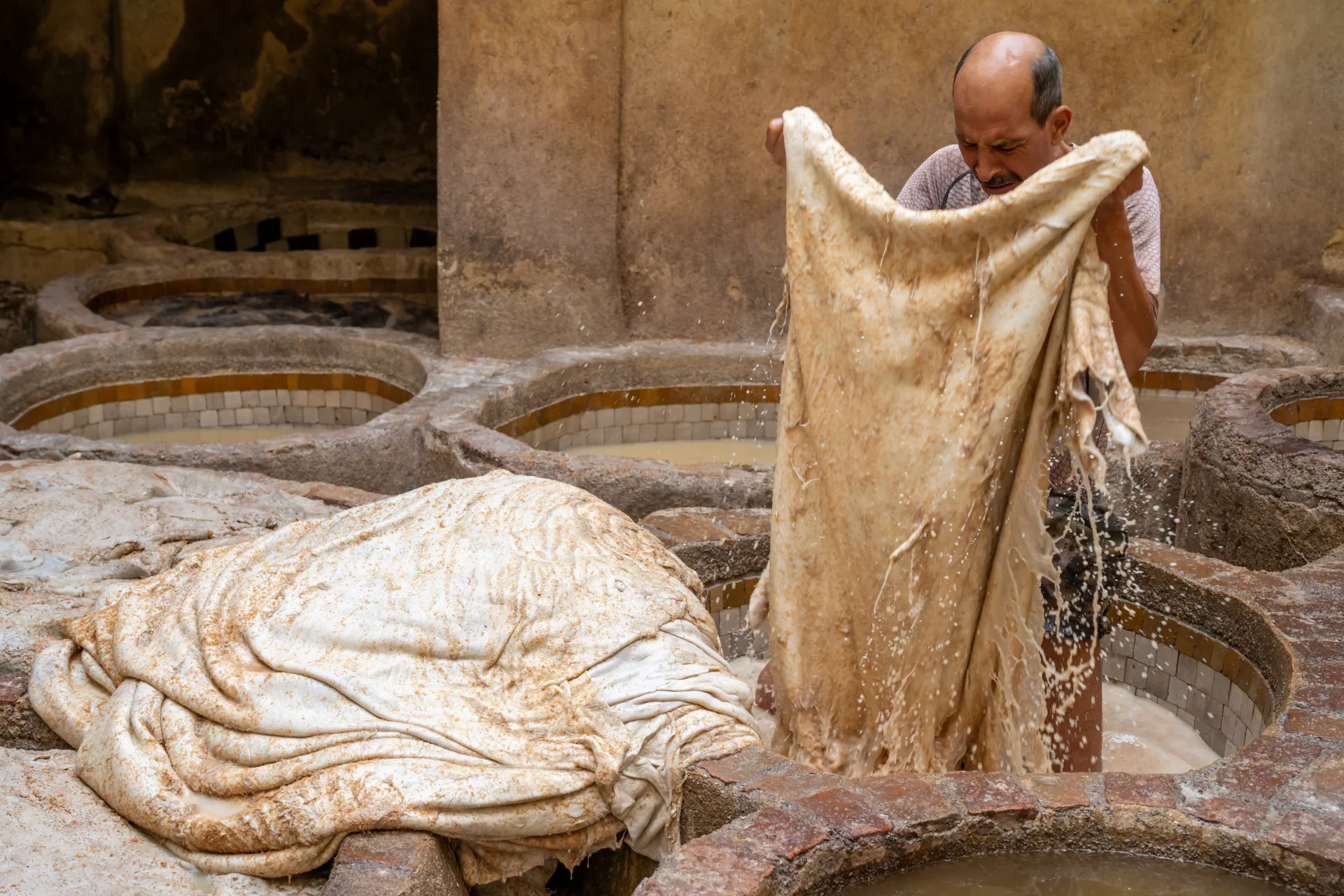
In the heart of a traditional tannery in Fès, a leatherworker lifts a heavy hide from one of the stone vats, water cascading from its surface. Around him, a series of weathered basins forms a geometric pattern of different stages in the process, while another hide lies folded in the foreground, its surface marked by water, pigment and repeated handling. The scene is defined by earth tones, rough textures and the physical presence of the material itself. Leatherworking has been an important craft in Fès for centuries, deeply embedded in the historic fabric of the medina. The city’s tanneries continue to process animal hides through a sequence of soaking, cleaning, softening, tanning and dyeing, using large stone vats designed for the different stages of the work. The Medina of Fès has been a UNESCO World Heritage Site since 1981. This photograph looks beyond the familiar spectacle of the colourful tannery and focuses instead on the person and the material at the centre of the process. The dripping hide almost conceals the worker, making his hands and physical effort as important as his face. What emerges is a portrait of craftsmanship in motion—a moment in which centuries of knowledge are expressed through a simple, demanding gesture, connecting the raw material, the artisan and the historic city around them.
Angeles Muñoz Ojeda
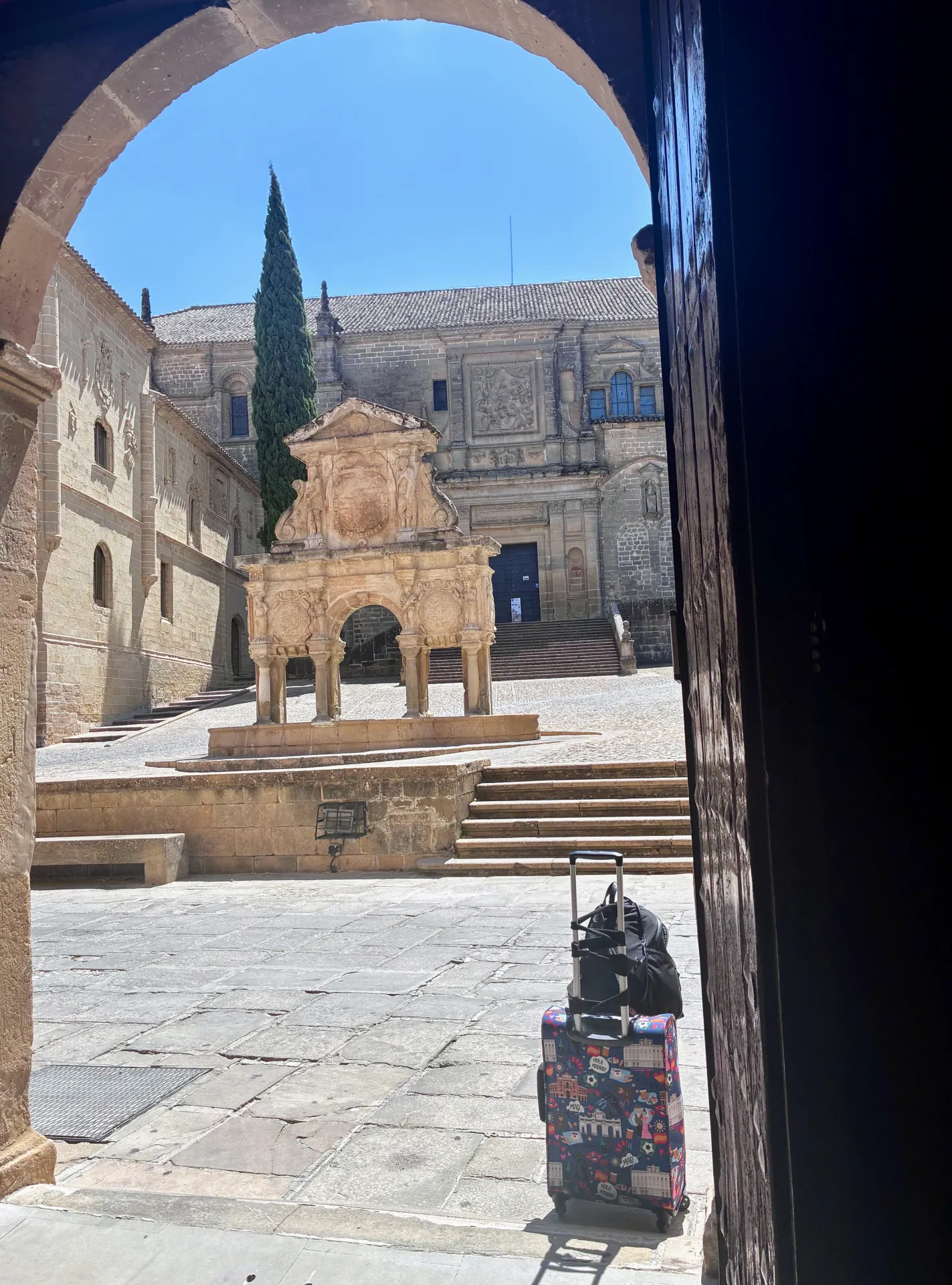
Hasta la próxima , Baeza
Curso de verano en UNIA, residencia universitaria frente a la Catedral.
M. Sean Dingle
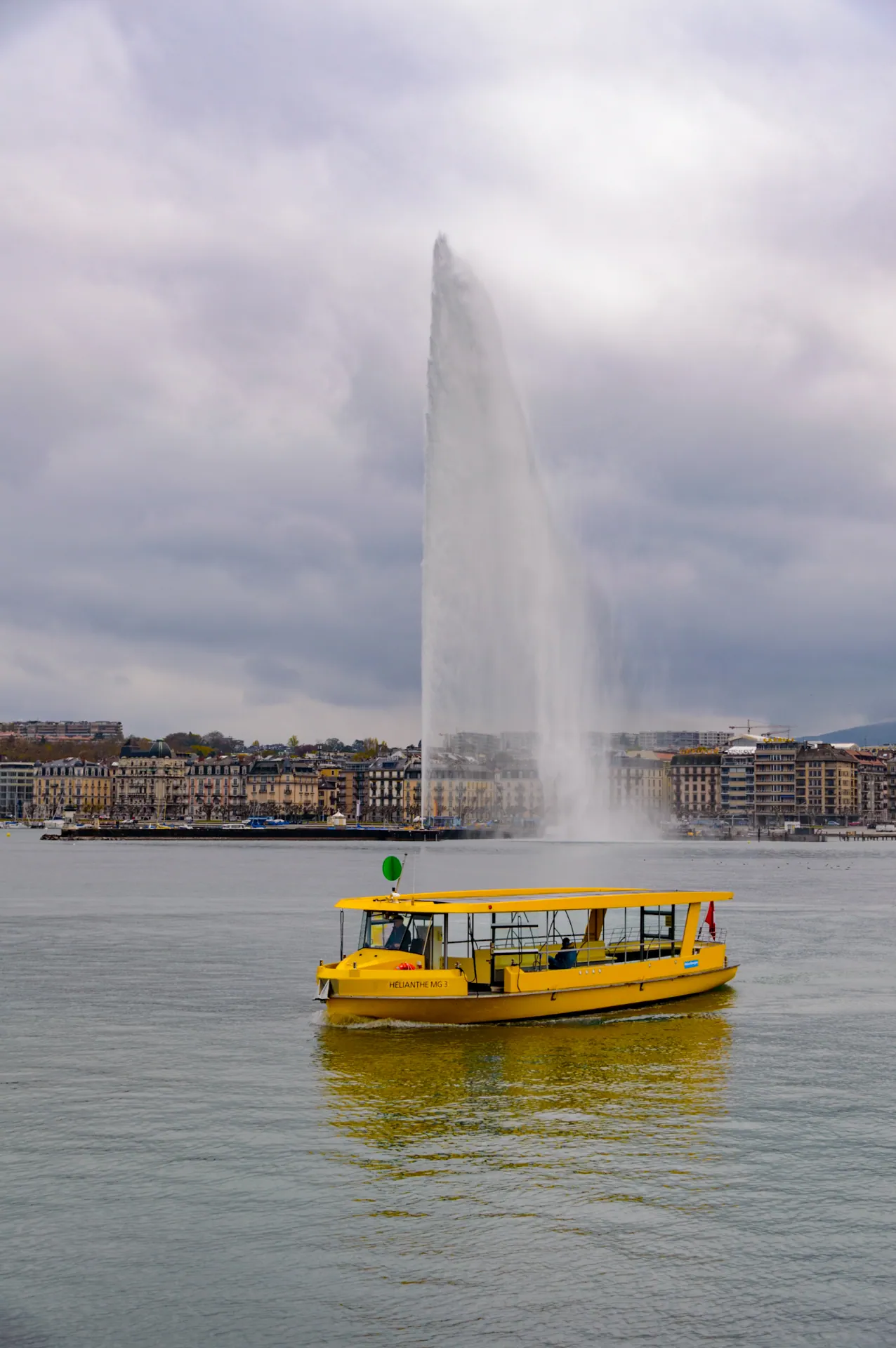
The Daily Route
A yellow Mouette ferry crosses Lake Geneva as the Jet d’Eau fires straight up into a grey sky behind it. This is Geneva doing what it does every day — the fountain running, the water taxis moving people across the lake, nobody stopping to look twice.
Thomas Andy Branson
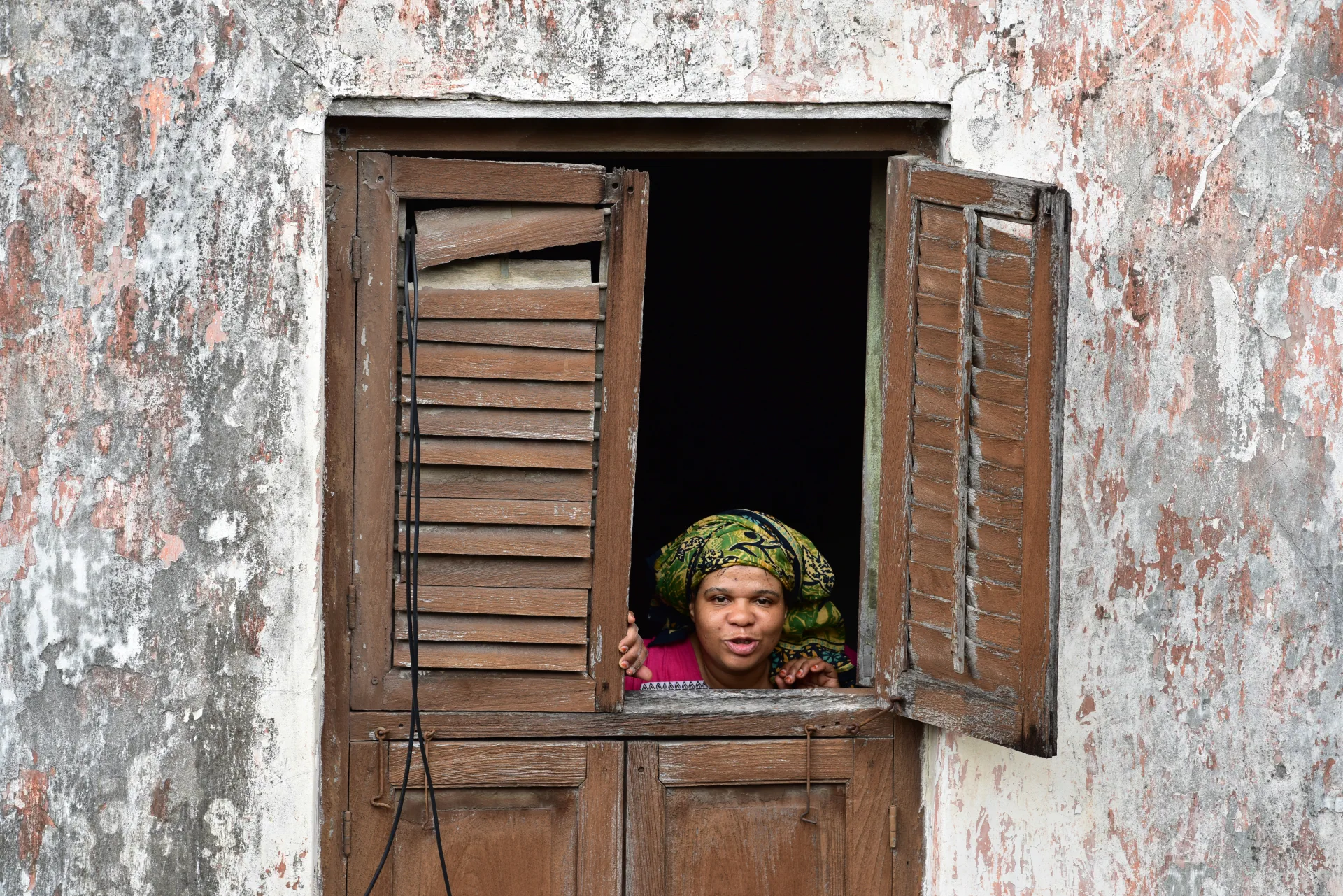
Behind the Shutters
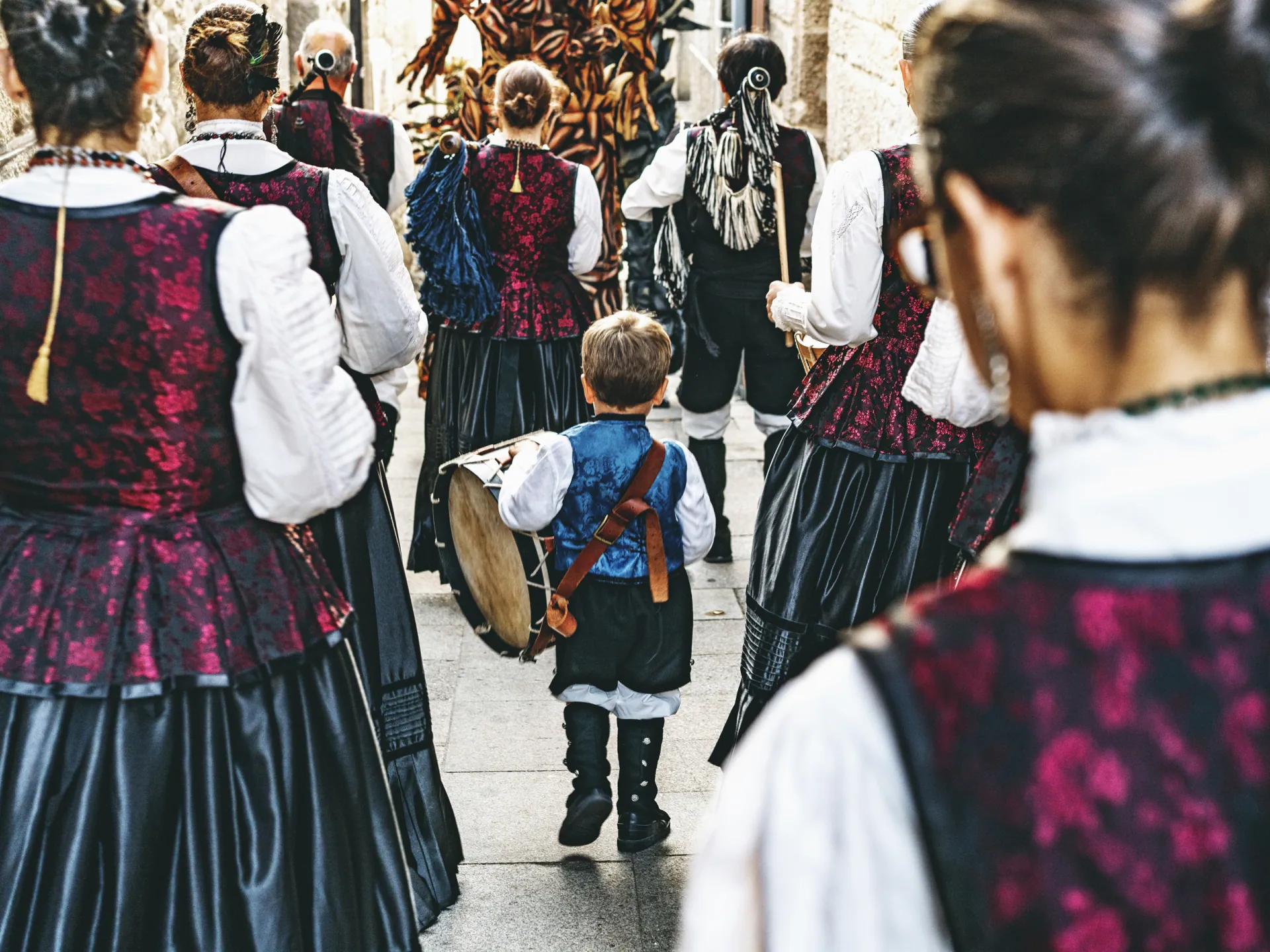
Framed by a weathered façade and a pair of worn wooden shutters, a woman leans into the opening of an old window, her gaze meeting the camera directly. The faded plaster, exposed layers of colour and rough timber create a striking contrast with her patterned head covering and clothing. The darkness behind her makes the small opening feel almost like a stage, turning an ordinary architectural detail into an intimate encounter. Stone Town is a historic Swahili trading town whose architecture reflects centuries of interaction between African, Arab, Indian and European cultures. Its houses are characterised by narrow façades, inner courtyards and distinctive wooden doors and shutters, built into a dense network of narrow streets. The town has retained much of its historic urban fabric and was inscribed on the UNESCO World Heritage List in 2000. Here, the architecture becomes more than a backdrop. The open shutters create a threshold between the private interior and the public street, while the woman’s presence gives the weathered building a human dimension. The contrast between the aged surfaces and her vivid clothing suggests continuity rather than nostalgia—a living place where historic architecture remains part of everyday life. The photograph captures Stone Town not through one of its celebrated landmarks, but through a fleeting encounter at a window, where the boundary between home and street briefly disappears.
Thomas Andy Branson
Shaping a Ghost
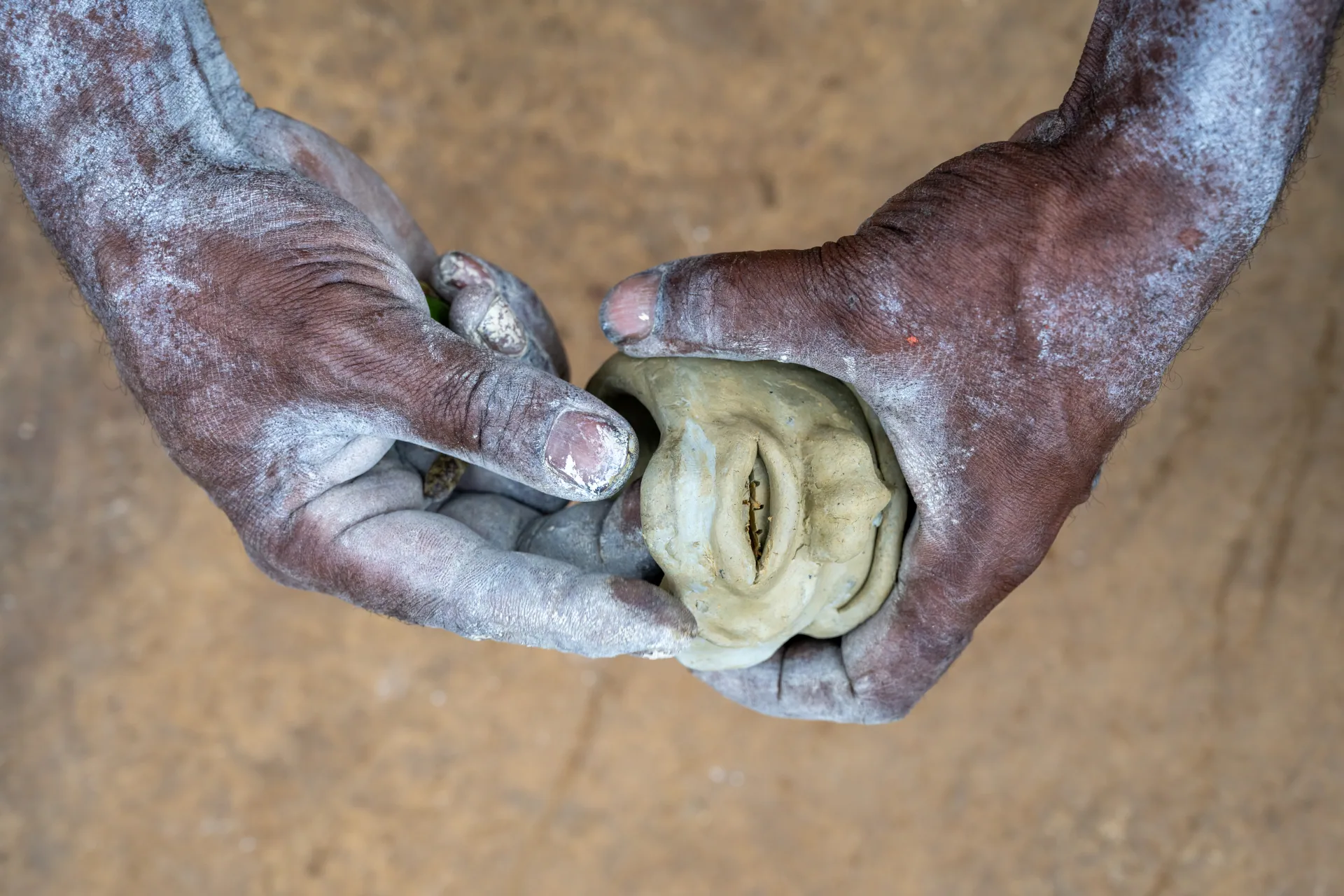
Covered in fine white clay, a pair of weathered hands carefully shapes the face of an Asaro Mudman mask. The unfinished figure is still soft and irregular, its features emerging gradually beneath the maker’s fingers. There is something striking in the intimacy of the scene: the entire cultural identity of the mask is reduced to clay, hands and a single moment of creation. The Asaro Mudmen, known locally as Holosa, come from the Asaro Valley near Goroka in the Eastern Highlands of Papua New Guinea. Their distinctive masks are made from clay and have become one of the best-known cultural symbols of the region. The masks are associated with performances in which men cover their bodies in white clay and appear as ghost-like figures. Their origins are surrounded by different accounts and oral traditions, while the form seen today developed into a prominent part of cultural performances during the twentieth century. This photograph moves away from the spectacle of the finished performer and focuses on the hands that give the mask its form. The traces of clay covering the maker’s skin mirror the material taking shape between his fingers, blurring the boundary between artisan and object. What begins as a simple piece of earth becomes a recognisable cultural symbol—an image of how tradition can be carried forward not only through performance, but through the quiet, tactile act of making.